
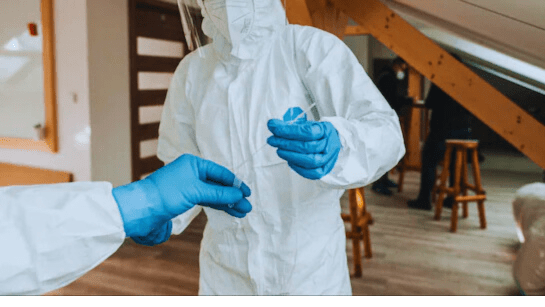
Five years after the COVID-19 pandemic, China is grappling with a surge in Human Metapneumovirus (HMPV) cases, particularly affecting children under 14. The virus, which causes flu-like symptoms such as fever, cough, nasal congestion, and shortness of breath, has raised concerns among health experts and governments worldwide. In severe cases, complications like bronchitis and pneumonia have been reported.
The spike in cases is most evident in China’s northern provinces, coinciding with the winter season when respiratory illnesses typically peak. Videos circulating on social media depict congested hospitals and overwhelmed healthcare systems, though Chinese authorities and the World Health Organization (WHO) have not declared a state of emergency. Alongside HMPV, other respiratory illnesses such as influenza A and Mycoplasma pneumoniae are contributing to the healthcare burden.
India’s Union Health Ministry has assured the public that there is no cause for alarm domestically. The National Centre for Disease Control (NCDC) is actively monitoring respiratory diseases in the country and maintaining communication with global health agencies. According to the Ministry, no unusual surge in respiratory illnesses has been observed in India.
Dr. Atul Goel, Director-General of Health Services, highlighted that HMPV is similar to other respiratory viruses and primarily affects young children, the elderly, and individuals with weakened immune systems. Indian hospitals are prepared to manage such illnesses without the need for specialized antiviral medications.
Discovered in 2001, HMPV is part of the Pneumoviridae family, alongside the Respiratory Syncytial Virus (RSV). It spreads through respiratory droplets, close personal contact, and contaminated surfaces. The virus typically has an incubation period of 3-6 days, with symptoms lasting several days depending on severity.
Although HMPV has been identified in seasonal outbreaks in regions like the United States and Canada, it remains largely manageable with good hygiene practices and supportive care. Global health authorities continue to emphasize vigilance, preventive measures, and preparedness to manage any potential spread.


 farmalert.online
For questions Leave a Reply