-
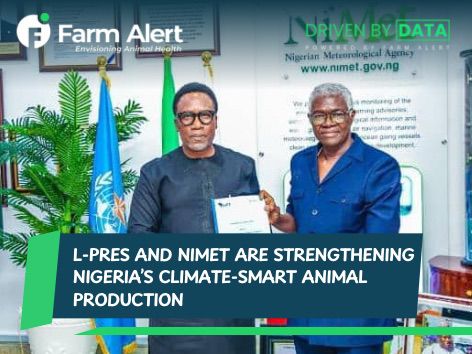 Continue reading →: Climate Intelligence for Livestock: How L-PRES and NiMet Are Strengthening Nigeria’s Climate-Smart Animal Production
Nigeria’s livestock sector is increasingly confronting a challenge that goes beyond feed availability, disease outbreaks, or market access: climate variability. Rising temperatures, erratic rainfall patterns, and prolonged dry spells are reshaping grazing conditions and livestock productivity across the country. In response, policymakers are beginning to integrate climate intelligence into livestock…
-
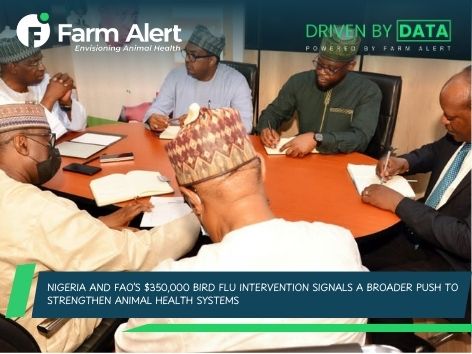 Continue reading →: Nigeria and FAO’s $350,000 Bird Flu Intervention Signals a Broader Push to Strengthen Animal Health Systems
Nigeria has taken another step toward strengthening its livestock disease response through a new partnership with the Food and Agriculture Organization, targeting the ongoing threat of avian influenza and other transboundary animal diseases. During a strategic meeting held in Abuja on 11 March 2026, Nigeria’s Minister of Livestock Development, Idi…
-
 Continue reading →: From Livestock to Public Health: The March 2026 Push to Tackle Zoonotic Tuberculosis in Africa
Why Africa Is Rethinking Veterinary Policy to Fight Zoonotic Tuberculosis In March 2026, global animal and human health institutions renewed attention to a largely overlooked disease affecting both livestock and people across Africa: zoonotic tuberculosis. The renewed focus is not simply a scientific concern. It reflects a growing policy shift…
-
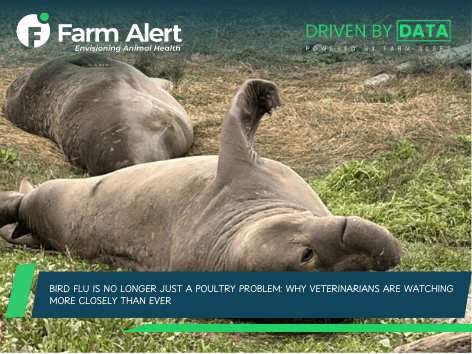 Continue reading →: The Virus That Is Jumping Across Species
Bird Flu Is No Longer Just a Poultry Problem: Why Veterinarians Are Watching More Closely Than Ever For decades, bird flu was largely viewed as a disease of poultry farms; devastating for farmers, certainly, but largely contained within bird populations. Today, that perception is rapidly changing. Across multiple continents, veterinarians…
-
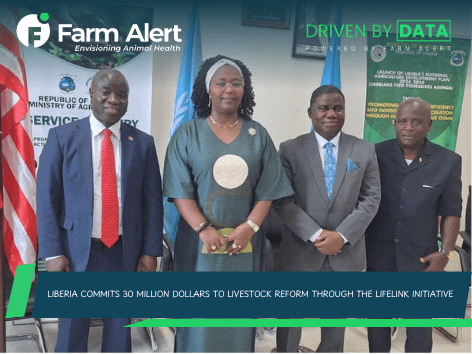 Continue reading →: Liberia Commits 30 Million Dollars to Livestock Reform Through the LIFELINK Initiative
Liberia Launches LIFELINK: A Strategic Shift Toward Livestock Transformation and Meat Independence Liberia has taken a decisive step toward restructuring and strengthening its livestock sector with the launch of LIFELINK, the country’s first fully dedicated livestock development initiative. More than a sectoral project, LIFELINK represents a structural shift in how…
-
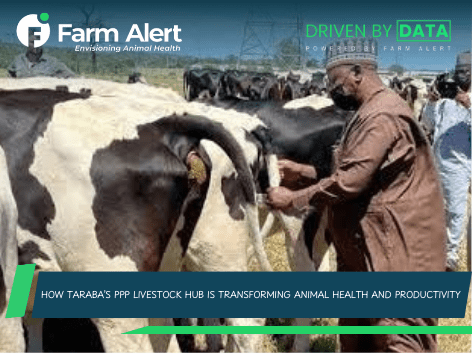 Continue reading →: How Taraba’s PPP Livestock Hub Is Transforming Animal Health and Productivity
Taraba State has taken a decisive step toward modernising Nigeria’s livestock ecosystem with the launch of a Livestock Service Centre in Sunkani, Ardo-Kola Local Government Area. Developed under a Public-Private Partnership model and anchored within the Livestock Productivity and Resilience Support Project (L-PRES), the facility signals more than infrastructure expansion.…
-
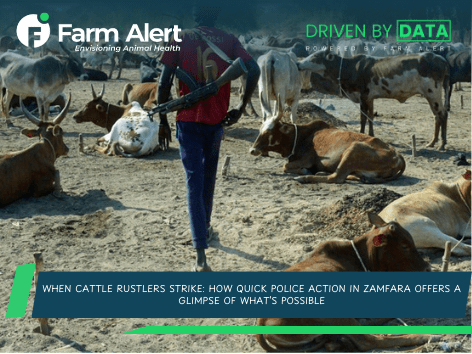 Continue reading →: When Cattle Rustlers Strike: How Quick Police Action in Zamfara Offers a Glimpse of What’s Possible
On February 27, 2026, the quiet early hours in Damba, a community in Zamfara State, were disrupted by an attempted cattle rustling attack. Armed men reportedly invaded the Sunami area of Damba with the intention of stealing a large number of cattle. This time, however, the operation did not succeed.…
-
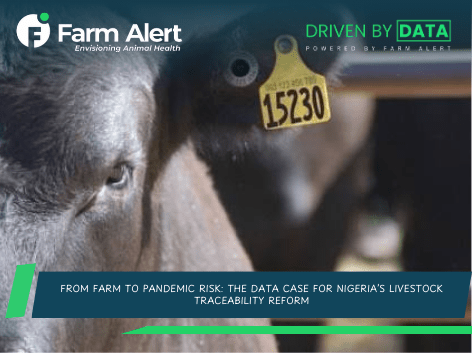 Continue reading →: From Farm to Pandemic Risk: The Data Case for Nigeria’s Livestock Traceability Reform
Strengthening livestock traceability is critical for protecting Nigeria’s health and food security Nigeria’s livestock sector is not a peripheral agricultural activity – it is a strategic economic system and public health vulnerability. With one of the largest livestock populations in sub‑Saharan Africa, including over 20 million cattle, tens of millions…
-
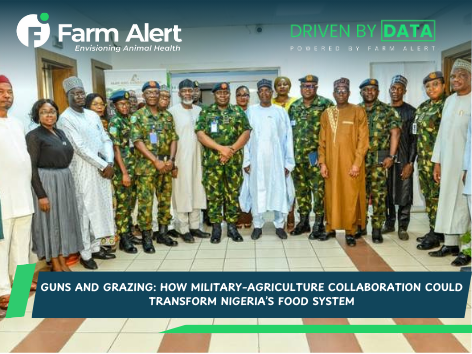 Continue reading →: Guns and Grazing: How Military–Agriculture Collaboration Could Transform Nigeria’s Food System
When the Military Joins Hands with Agriculture: Rethinking Food Security as National Security in Nigeria Nigeria may be witnessing the emergence of a new national security doctrine -one where cattle ranches, grazing reserves, biosecurity infrastructure, and surveillance systems become as strategically important as barracks and airbases. The recent engagement between…
-
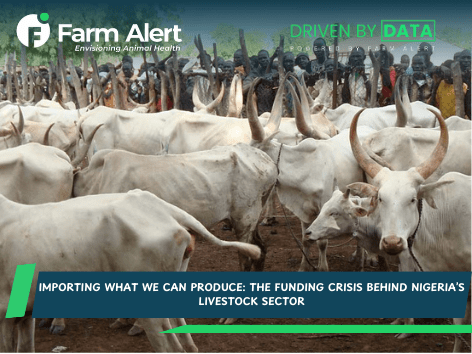 Continue reading →: Importing What We Can Produce: The Funding Crisis Behind Nigeria’s Livestock Sector
“Nigeria Still Imports Over 60% of Its Meat”- A Sector Rich in Potential, Poor in Investment Nigeria, a country with vast grazing land, a long pastoral tradition, and an estimated ₦3.2 trillion red meat export potential, still imports more than 60 percent of the livestock consumed annually. That revelation, made…

Hello,
I’m Dr. Eugenia

Welcome to Farm Alert News, your go-to source for insights and updates on animal health across Africa. Here, we believe in the power of data to drive meaningful change. Join us as we explore the latest research, discuss evidence-based solutions, and share valuable information from Animal Health professionals across the continent.
Let’s shape the future of animal health together!
Let’s connect
Subscribe to our newsletter
Stay updated with our latest tutorials and ideas by joining our newsletter.


 farmalert.online