
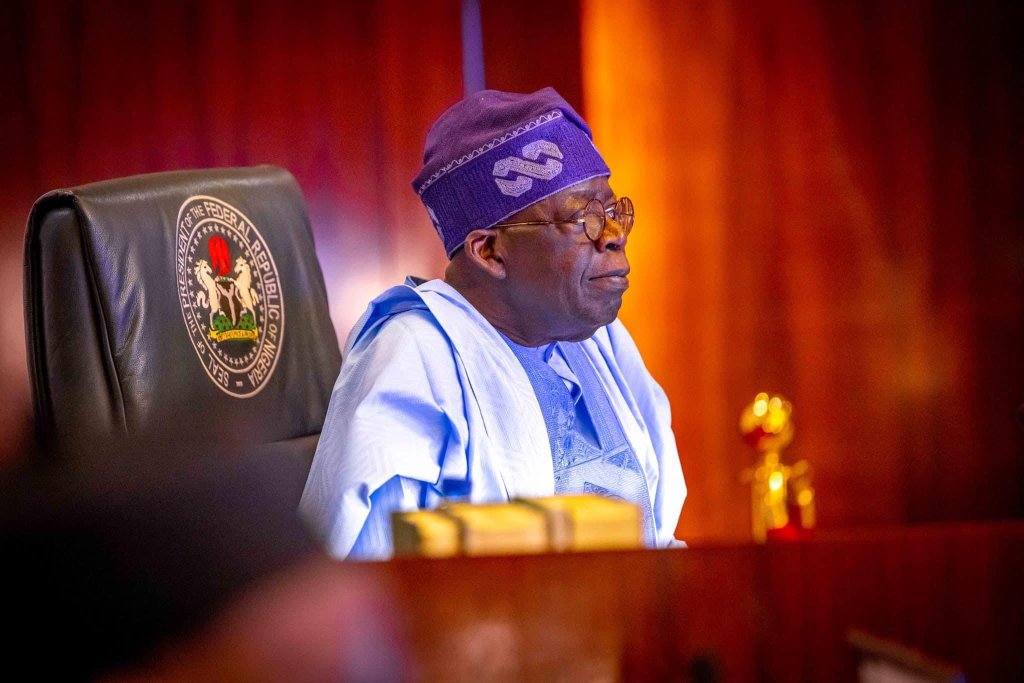
At the 12th convocation ceremony of Michael Okpara University of Agriculture, Umudike, President Bola Ahmed Tinubu reaffirmed his administration’s commitment to confronting Nigeria’s multi-dimensional challenges by leveraging the transformative potential of agriculture. Represented by Dr. Deola Lordbanjou, Director of Extension at the Federal Ministry of Agriculture and Food Security, Tinubu emphasized that agriculture remains a pivotal sector for diversifying Nigeria’s economy, currently reliant on oil.
Highlighting the administration’s vision, Tinubu stated, “Agriculture is a strategic pathway to achieving economic diversification and eradicating hunger in Nigeria. The expertise of agricultural scientists and professionals will be instrumental as we chart our course toward food security.”
To demonstrate this commitment, the Federal Government has increased the number of specialized agricultural universities. These institutions are envisioned as hubs for innovation, propelling the agricultural sector to enhance food production, promote industrialization, and reduce dependence on food imports.
Expanding Access to Education and Food Security
The President further underscored the administration’s belief in education as a vital tool for national growth. He highlighted the establishment of the National Education Loan Fund (NEL Fund) to provide affordable loans for students, ensuring greater access to education.
He urged universities to spearhead agricultural transformation through innovative research and partnerships, stating, “We look up to our universities to lead in driving solutions that will diversify the economy and secure the food needs of our growing population.”
Agricultural Potential and Collaborative Opportunities
President Tinubu expressed confidence in Nigeria’s potential for agricultural investments, given its diverse soils, crops, livestock, and favorable climate. He called on private organizations and public-spirited individuals to collaborate with the government and agricultural universities to scale up research findings and agricultural technologies.
“With determination, we can reduce reliance on food imports and achieve self-sufficiency in staple food production,” he noted.
Challenges and the Way Forward
The event also highlighted pressing issues faced by Michael Okpara University of Agriculture, including limited funding, insufficient infrastructure, and the loss of skilled personnel to migration. The Vice-Chancellor, Prof. Maduebibisi Ofo Iwe, and the Governor of Abia State, Alex Otti, represented by Deputy Governor Ikechukwu Emetu, reiterated their commitment to creating conducive learning environments to address these challenges.
As the nation looks forward to revitalizing agriculture as a cornerstone of its economy, the Federal Government’s dedication to empowering educational institutions and fostering collaboration across sectors remains pivotal. By combining resources and expertise, Nigeria can transform its agricultural landscape, ensuring food security and sustainable economic growth.


 farmalert.online
For questions Leave a Reply