
Youth unemployment remains a critical challenge in Nigeria, stifling the aspirations of its vibrant and energetic young population. Despite governmental efforts through programs like the Youth Enterprise with Innovation in Nigeria (YouWiN!) and N-Power, the issue persists. While these initiatives provide financial support, training, and mentorship, and engage graduates in sectors such as agriculture, technology, and education, their impact has been limited.
In the second quarter of 2024, Nigeria’s unemployment rate declined slightly to 4.3% from 5.3% in the first quarter. However, the economic reality remains dire as inflation has surged to 39.16%. Rising food prices, driven by inadequate local production, exacerbate the situation, leaving many households struggling to meet basic needs.
Agriculture, a sector with immense potential to create jobs and reduce poverty, has yet to attract significant youth participation. Only 22% of Nigerian youths show interest in farming, a concerning statistic for a nation endowed with vast arable land and resources. Unlocking this sector’s potential requires innovative strategies to make it more accessible, profitable, and appealing to young people.
Breaking Barriers for Youth in Agriculture
To transform the agricultural sector into a hub of opportunities for youth, targeted interventions are essential:
- Access to Land and Infrastructure
Land is one of the most significant barriers for aspiring farmers. Providing affordable farmland and creating farm settlements with adequate infrastructure—such as roads, schools, and healthcare—can encourage youth participation. These settlements could serve as hubs for rural development, enhancing both economic opportunities and the quality of life for young farmers. - Financial Inclusion
Young farmers face limited access to funding, a critical resource for scaling agricultural ventures. The government must implement credit systems with flexible repayment plans and ensure funds are properly monitored to prevent misuse. Financial inclusion can empower more youth to engage in farming, fostering food security and economic stability. - Knowledge and Capacity Building
Equipping young farmers with knowledge is key to ensuring their success. Strengthening agricultural extension services and using digital platforms like YouTube, radio, and television can disseminate vital information on modern farming techniques, post-harvest management, and market access. These resources can enable farmers to optimize production and maximize profitability. - Technology as a Catalyst
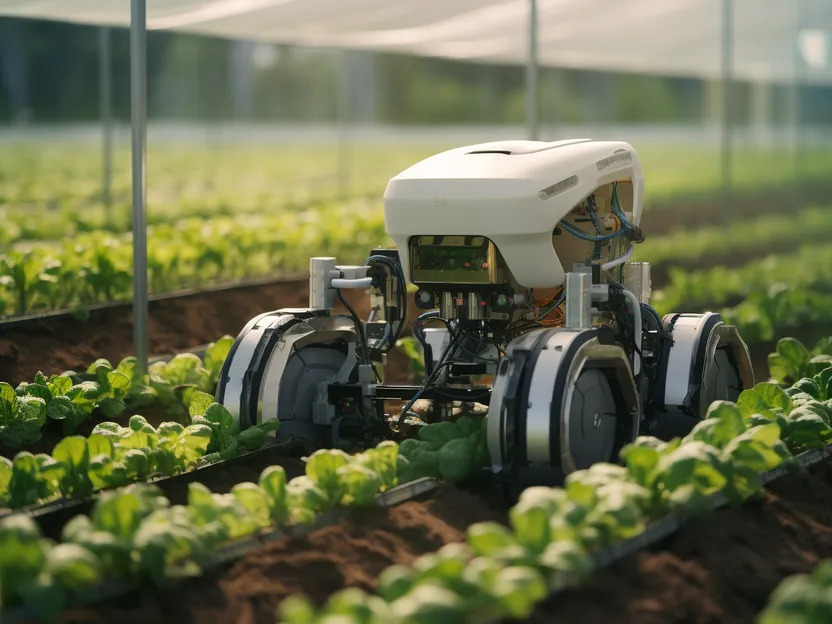
Integrating technology into agriculture offers a pathway to modernization. Precision farming, artificial intelligence, and IoT-based solutions can significantly improve efficiency, reduce losses, and enhance yields. Nigeria’s tech-savvy youth are well-suited to leverage these innovations, transforming agriculture into a high-tech and rewarding career path. - Education and Exposure
Incorporating agriculture into school curriculums and offering hands-on training in agribusiness can ignite early interest in the sector. Internships and exposure to real-world farming operations would provide valuable experience, equipping young people with the skills and confidence needed to pursue agriculture as a viable career.
Building a Sustainable Future
By addressing these critical areas, Nigeria can reposition agriculture as a cornerstone of economic growth and job creation. Encouraging youth participation in farming will not only reduce unemployment but also drive innovation, boost food production, and pave the way for a sustainable future.


 farmalert.online
For questions Leave a Reply