
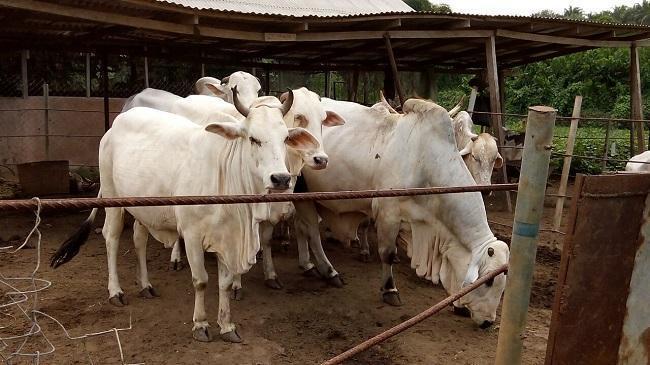
The livestock sector in Nigeria holds immense potential, contributing significantly to the nation’s Gross Domestic Product (GDP). According to the Federal Ministry of Agriculture and Rural Development, the sector accounts for about one-third of the 21% of agricultural GDP. Despite this, the sector’s full potential remains untapped due to challenges such as inadequate transparency, traceability, and meat inspection.
Muritala Alade-Bamgbala, Chief Executive Officer of ProteinTrail Technology, has emphasized the need for adopting digital solutions to address these challenges. Speaking in Lagos, Alade-Bamgbala explained how leveraging technology can transform Nigeria’s livestock value chain. He noted that digitization could enable the tracking and monitoring of livestock movement and health status from birth to slaughter, ensuring safer food systems and reducing the risk of zoonotic diseases.
Traditional hard-copy certifications for livestock often lead to counterfeit documents, further complicating efforts to ensure food safety. By adopting digital solutions such as QR-coded ear tags, livestock owners can access verifiable data on animal health, vaccination history, and movement records. Alade-Bamgbala pointed out that successful models, like the USDA’s Animal and Plant Health Inspection Service (APHIS) in the United States, could inspire similar systems in Nigeria.
The ProteinTrail CEO also highlighted the public health risks posed by inadequate meat inspection. When diseased animals are not properly inspected during slaughter, they can introduce harmful zoonotic diseases into the food chain. Studies have shown high levels of heavy metals in Nigeria’s food supply, further underscoring the need for robust monitoring and laboratory testing to ensure compliance with food safety standards.
Efforts are underway to address these challenges. The Federal Government, under President Bola Ahmed Tinubu, has initiated reforms, including the establishment of a Ministry of Livestock Development and a Presidential Committee on Livestock Reforms. State governments, such as Oyo and the Federal Capital Territory (FCT), are collaborating with ProteinTrail Technology to implement digital livestock solutions. These initiatives aim to foster ranching, reduce cattle rustling, and mitigate farmer-herder conflicts.
Through digitization, Nigeria can improve food safety, enhance livestock productivity, and position itself as a competitive player in the global livestock market. By providing consumers with access to verifiable information about meat products and empowering farmers with accurate livestock records, the country can transform its livestock sector into a driver of economic growth and sustainability.


 farmalert.online
For questions Leave a Reply