
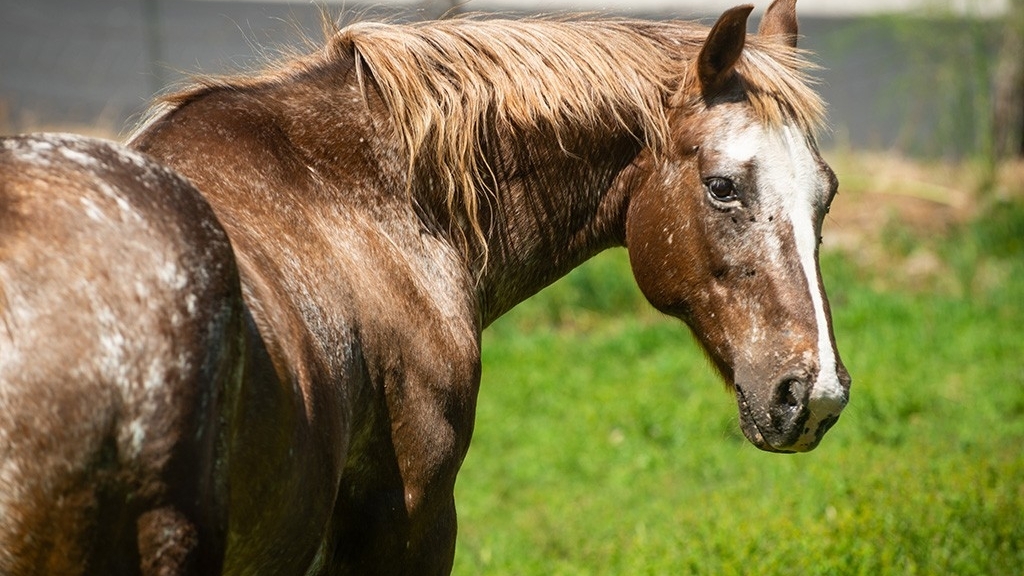
The Federal Ministry of Livestock Development has confirmed an outbreak of African Horse Sickness (AHS) in the equine population in Abuja, FCT. This marks the first-ever confirmation of the disease in the region. The outbreak was verified by the National Veterinary Research Institute (NVRI), and immediate action is being taken to contain the spread.
Outbreak Details:
- Affected Species: Equine (Argentine breed)
- Number of Horses in Group: 15
- Mortality: 2 horses have been recorded dead
- Clinical Signs: Congested ocular mucous membranes, edematous supraorbital fossa, depression, weakness, and thickened neck muscle.
AHS is a viral disease transmitted by vectors, primarily mosquitoes, and can lead to high mortality in horses. The disease presents with clinical signs including difficulty breathing, swelling around the head, neck, and chest, and in severe cases, death.
Immediate Actions for Stakeholders:
To prevent the spread of the disease and protect the equine population, the Department of Veterinary and Pest Control Services has outlined several critical measures:
- Control of Ectoparasites and Flies: Increase control of ectoparasites and flies in stables to reduce transmission of the disease.
- Isolation of Sick Animals: Sick animals must be promptly isolated to prevent the spread of the virus.
- Hygiene Protocols: Maintain strict hygiene standards within stables, including regular cleaning and disinfection.
- Movement Restrictions: Restrict movement of horses in and out of the affected areas to contain the outbreak.
- Surveillance and Early Reporting: Intensify surveillance efforts to identify new cases early and ensure that any suspected cases are reported promptly.
- Education and Awareness: It is essential to educate horse owners, stable managers, and veterinary professionals about the symptoms of AHS and the importance of reporting suspected cases.
Call to Action:
The Department urges all relevant stakeholders, including veterinary professionals, horse owners, and stable managers, to collaborate actively in implementing these measures. Together, we can curb the spread of AHS and protect the health of the equine population in FCT.
For more information or to report suspected cases, stakeholders are encouraged to contact the Department at nadisnigeria@yahoo.com.
About African Horse Sickness:
AHS is a vector-borne viral disease that affects horses, donkeys, and mules. It is transmitted primarily by Culicoides midges and is known for causing rapid mortality. Symptoms can vary from mild to severe and may include fever, swelling, respiratory distress, and in fatal cases, death.
Stay Safe and Vigilant:
The Federal Ministry of Livestock Development, through the Department of Veterinary and Pest Control Services, remains committed to working closely with all stakeholders to control this outbreak. Stakeholders are urged to adhere to these guidelines to ensure the health and safety of the equine population in Abuja.
For further inquiries or case reports, please contact the Department at nadisnigeria@yahoo.com.
Stay informed. Stay safe.


 farmalert.online
For questions Leave a Reply