
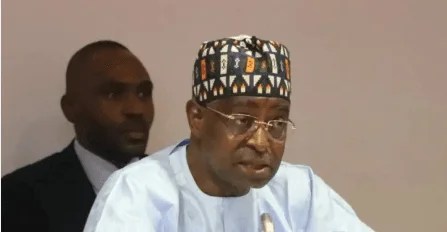
The Federal Government has reaffirmed its commitment to developing Nigeria’s livestock industry as a key driver of job creation, economic growth, and food security. Speaking at the 2025 Ministerial Press Briefing in Abuja, the Minister of Livestock Development, Mr. Idi Muktar, outlined the government’s ambitious plans to unlock the full potential of the sector and maximize its impact on the economy.
Since the ministry’s establishment, his team has actively engaged with stakeholders across various segments of the industry to drive innovation, investment, and sustainability. According to the Minister, Nigeria’s livestock sector is valued at ₦33 trillion, making it one of the most valuable yet underutilized economic assets in the country. Despite its immense potential, the sector remains largely untapped, with opportunities for expansion and investment across various value chains.
The government’s strategic vision aims to increase the livestock sector’s contribution to GDP from 5% to 10% by 2035, effectively doubling its economic impact. Additionally, the plan seeks to expand the sector’s total value from $32 billion to $74 billion, positioning Nigeria as a major player in global animal protein production, alongside Brazil, Argentina, and the United States.
As part of efforts to enhance livestock productivity, the ministry is embarking on a comprehensive genetic improvement program to boost animal breeds while ensuring the preservation of Nigeria’s indigenous livestock genetics. Acknowledging the resilience, adaptability, and disease resistance of local breeds, the government is collaborating with academic and research institutions to establish a gene bank that will safeguard indigenous genetic material for future breeding and research.
A major challenge in the sector has been grazing land availability and management, which the government is actively addressing. Mr. Muktar revealed that the ministry has conducted an inventory of 417 grazing reserves, both gazetted and non-gazetted, covering over 5 million hectares across the country. These grazing reserves will be developed into structured livestock hubs, equipped with feed and fodder supply, water resources, veterinary clinics, and housing facilities for pastoralist families. This initiative aims to create a more organized and sustainable livestock production system while reducing conflicts over grazing land.
Beyond primary livestock production, the Minister highlighted vast investment opportunities in the sector’s value chain and encouraged private sector participation. He emphasized that areas such as hides and skin processing, meat packaging, bone meal production, and animal feed manufacturing remain largely underdeveloped, presenting high economic potential. By fostering public-private partnerships, the government aims to modernize and sanitize the industry, boost productivity, increase exports, and create wealth for farmers and investors.
With Nigeria’s growing demand for protein and an underutilized livestock sector, the Federal Government’s strategic roadmap presents a transformative opportunity for economic growth. If effectively implemented, these initiatives will create millions of jobs, strengthen food security, and establish Nigeria as a global leader in livestock production. The Minister’s commitment signals a new era for the livestock industry, setting the stage for sustainable agricultural development and economic resilience.


 farmalert.online
For questions Leave a Reply