
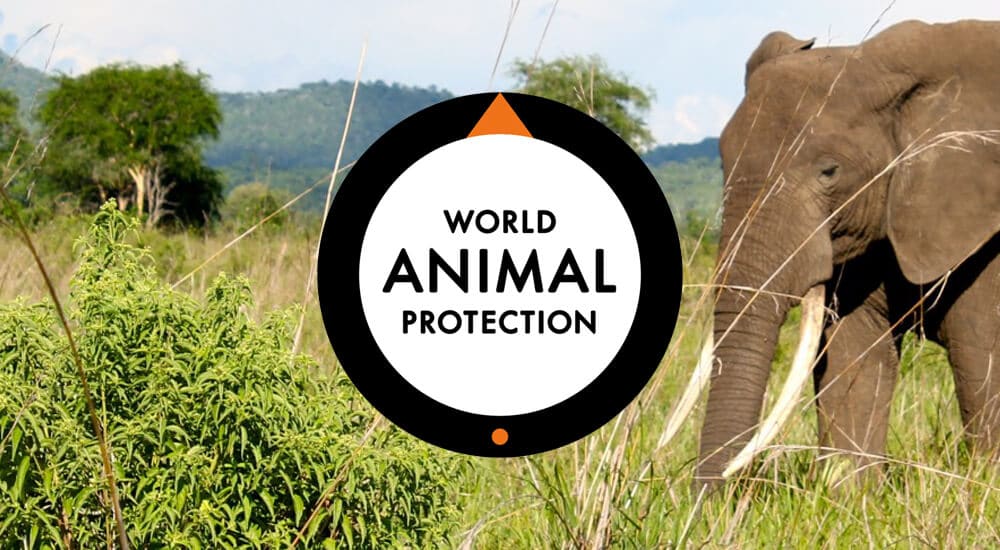
Wildlife conservation efforts in Africa are at a critical crossroads as World Animal Protection (WAP) raises alarm over escalating threats to the continent’s rich biodiversity. The organization has issued an urgent call for proactive measures to combat habitat destruction, wildlife trade, poaching, and underfunding—all of which threaten the survival of some of the world’s most unique species.
This appeal coincides with World Wildlife Day (March 3rd), a global initiative by the United Nations (UN) to highlight the importance of wildlife conservation. The theme for this year, “Wildlife Conservation Finance: Investing in People and Planet,” underscores the need for increased funding and strategic policies to protect natural ecosystems.
The Growing Threat to Africa’s Wildlife
Despite Africa’s reputation as a haven for diverse wildlife, experts warn that its rich biodiversity is on the brink of decline due to several interconnected factors:
🔴 Wildlife Farming for Commercial Gain – The rise of captive breeding and wildlife farming is a ticking time bomb that not only jeopardizes animal welfare but also accelerates species loss.
🔴 Weak Wildlife Protection Policies – The exploitation of wild animals through trade, entertainment, and illegal poaching continues due to loopholes in enforcement and insufficient legal deterrents.
🔴 Human-Wildlife Conflict – As human populations expand and encroach on natural habitats, conflicts between communities and wild animals increase, often resulting in harm to both parties.
🔴 Funding Shortfalls – Conservation initiatives remain chronically underfunded, limiting their ability to protect species and maintain ecological balance.
Urgent Solutions to Protect Wildlife
To address these threats, World Animal Protection is advocating for:
✅ Increased Conservation Funding – Governments and stakeholders must allocate adequate financial resources to support wildlife conservation, regardless of immediate economic returns.
✅ Stronger Policy Reforms – Laws must be reinforced to end the exploitation of wild animals and implement stricter penalties for wildlife crimes.
✅ Ethical and Sustainable Tourism – Encouraging responsible tourism that respects natural ecosystems and does not harm or exploit wildlife.
✅ Community-Led Conservation – Empowering local communities to lead conservation initiatives, fostering coexistence between humans and wildlife, and mitigating conflicts.
Why This Matters for Africa’s Future
The ecological balance that wildlife provides is far more valuable than short-term financial gains from exploitation. Healthy ecosystems support agriculture, climate resilience, and tourism, making conservation a critical investment for sustainable development.
As global awareness grows, collective action is needed to reverse the damage and secure a future where Africa’s wildlife thrives. Governments, organizations, and individuals all have a role to play in safeguarding the continent’s natural heritage for future generations.
What are your thoughts on wildlife conservation in Africa? Let’s discuss in the comments!


 farmalert.online
For questions Leave a Reply