
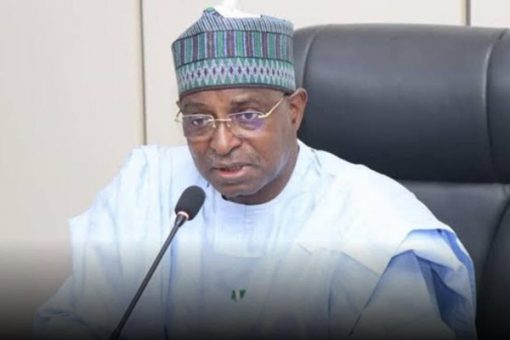
The Federal Government of Nigeria has announced plans to tighten regulations on animal imports, reinforcing measures to protect public health and enhance the sustainability of the livestock sector.
The Minister of Livestock Development, Idi Mukhtar Maiha, made this declaration during a meeting with the Nigerian Agricultural Quarantine Service (NAQS) in Abuja. He emphasized that all livestock entering the country must have proper health certification, warning that any animal failing to meet this requirement will be detained.
Strengthening Border Controls to Curb Disease Outbreaks
Minister Maiha expressed concerns over the unregulated movement of livestock across Nigeria’s borders, noting that approximately 60% of cattle in the country originate from neighboring nations. He pointed out that the first anthrax cases recorded in Nigeria were linked to unchecked livestock imports.
To mitigate such risks, the government plans to establish control posts at strategic border points, ensuring proper livestock documentation and veterinary oversight before animals are allowed entry.
“I have personally witnessed over 10,000 animals crossing into Nigeria in just one week,” Maiha stated. “To protect our livestock industry and public health, we must enforce stringent border controls with trained personnel, including veterinary doctors, security officials, and NAQS inspectors.”
Tackling Donkey Population Decline & Illegal Meat Price Hikes
Maiha also raised alarm over the rapid depletion of Nigeria’s donkey population, stressing that exporting donkey skins without legal authorization will no longer be tolerated.
Additionally, he addressed the rising cost of meat, attributing it to illegal checkpoints where truck drivers transporting livestock are subjected to extortion. According to a government survey, there are over 700 unauthorized checkpoints along major livestock transport routes, directly impacting meat prices nationwide.
“From Adamawa to Jigawa, Bayelsa, and Lagos, these unnecessary levies have made meat less affordable for Nigerians. We are actively gathering data to eliminate these roadblocks and create policy reforms to stabilize livestock prices,” the Minister assured.
NAQS Pledges Support in Regulating Animal Imports
Dr. Vincent Isegbe, Comptroller General of the Nigerian Agricultural Quarantine Service (NAQS), reaffirmed the agency’s commitment to disease prevention and agricultural safety compliance.
He highlighted that NAQS has operational offices across all six geopolitical zones and is collaborating with international partners such as Mexico and China to enhance import regulations and prevent harmful agricultural imports.
“We have intercepted illegal animal imports and are educating farmers on the dangers of toxic chemicals in livestock feed and crop preservation,” Dr. Isegbe stated. “Stronger collaboration with the Ministry of Livestock Development will be key to ensuring agricultural safety standards and protecting Nigeria’s food security.”
Looking Ahead
With the government’s renewed commitment to livestock import regulation, stakeholders in the agriculture and veterinary sectors anticipate improved disease control measures, enhanced food safety, and a more stable livestock economy in Nigeria.


 farmalert.online
For questions Leave a Reply