
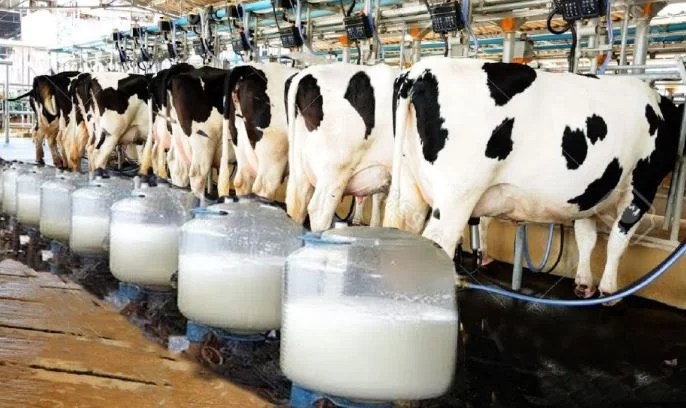
In a strategic move to strengthen Nigeria’s dairy value chain and improve technical expertise, the Federal Ministry of Livestock Development (FMLD) has announced plans to establish a Dairy Training Institute.
Bridging the Knowledge Gap in Dairy Farming
Speaking at a stakeholders’ meeting in Abuja, Minister Idi Mukhtar Maiha emphasized the importance of equipping dairy farmers with specialized skills to improve productivity and sustainability in the sector.
“A thriving dairy industry requires an investment in human capital. This institute will provide hands-on training in pasture cultivation, feed and fodder management, dairy animal husbandry, health management, animal breeding, and milk processing,” said Maiha.
The initiative is expected to boost milk production, reduce reliance on imports, and enhance food security by ensuring a more structured and sustainable dairy sector.
Partnerships with the Private Sector
Maiha commended NESTLÉ Nigeria for its efforts in developing the local dairy industry, particularly in promoting indigenous cattle breeds. The Minister highlighted the company’s contributions, including its modern dairy demonstration farm in Paikon Kore grazing reserve, FCT, which was commissioned in February 2025.
According to Victoria Ndee Uwadoka, Corporate Communications, Public Affairs, and Sustainability Lead at NESTLÉ Nigeria, the company aggregated over 1.65 million liters of milk between 2021 and 2024, showcasing the potential for local dairy production when backed by the right investments.
Curbing Milk Adulteration & Enhancing Infrastructure
Maiha also stressed the need to address milk adulteration and revamp grazing reserves to control cattle movement, particularly in urban areas.
“For Nigeria to advance in commercial dairy farming, we must establish structured grazing reserves, organized milk collection systems, and enforce stricter regulations against milk adulteration,” he stated.
A New Era for Nigeria’s Dairy Industry
With a growing demand for locally sourced milk, the Dairy Training Institute is expected to transform dairy farming in Nigeria by providing farmers with technical know-how, modern techniques, and access to improved resources.
As Nigeria moves toward self-sufficiency in dairy production, partnerships between the government and private sector will be crucial in ensuring a thriving and competitive industry.
What are your thoughts on this initiative? Can structured training revolutionize Nigeria’s dairy sector? Let us know in the comments!


 farmalert.online
For questions Leave a Reply