
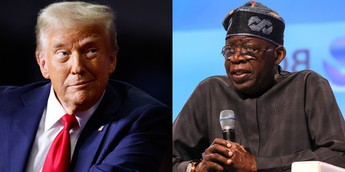
In a bold response to Nigeria’s longstanding import restrictions, the United States Trade Representative (USTR) has openly criticized the Nigerian government for what it describes as restrictive trade policies that limit access to its market for American exporters. This development comes shortly after former U.S. President Donald Trump announced a 14% tariff on certain Nigerian exports to the U.S., sparking renewed discussions on trade equity and international market access.
Nigeria’s Import Ban Under Scrutiny
Nigeria has enforced a ban on the importation of 25 categories of goods, affecting agricultural produce, pharmaceutical products, processed foods, and other consumer items. These restrictions—initially imposed in 2016 as part of Nigeria’s economic protectionist strategy—cover items such as frozen poultry, pork, beef, fruit juice in retail packs, refined vegetable oil, medicaments, soaps, detergents, and certain beverages.
The USTR raised concerns via its official X (formerly Twitter) handle, stating:
“These restrictions limit market access and reduce export opportunities for U.S. businesses. The policies are trade barriers that result in lost revenue, especially in sectors like agriculture and pharmaceuticals.”
Tariff Tensions and Reciprocal Trade Policies
In retaliation, the U.S. has introduced a 14% tariff on Nigerian exports, impacting mainly non-oil sectors. While Nigeria’s crude oil—its primary export to the U.S.—is exempt from the new duty, products like fertilizers, urea, lead, and agricultural items such as flour, live plants, and nuts will face the brunt of the new tax structure.
Finance Minister Wale Edun responded to the situation by acknowledging that while Nigeria has been relatively shielded due to oil exemptions, the country’s economic team is reassessing potential impacts if the tariff war persists.
“We’re exploring opportunities amid the current global trade disruptions. With the right investment-friendly policies, Nigeria could become a strategic hub for manufacturers looking to shift operations from heavily tariffed countries like Vietnam,” he stated.
Trade and Investment Implications for Nigeria
Industry, Trade, and Investment Minister Dr. Jumoke Oduwole echoed similar sentiments, emphasizing the negative effects the new tariff regime could have on Nigeria’s export competitiveness—particularly for small and medium-scale enterprises (SMEs) previously benefiting from AGOA (African Growth and Opportunity Act) exemptions.
“Over 90% of Nigeria’s exports to the U.S. are oil-based. However, a 10% tariff on key non-oil products may destabilize price competitiveness and restrict market access. SMEs, in particular, will struggle with increased costs and reduced buyer confidence,” she explained.
She further noted that the government is doubling down on efforts to improve the quality, traceability, and global compliance of Nigerian products to strengthen the country’s foothold in international markets.
What This Means for Agriculture and Pharmaceutical Sectors
The ripple effect of the trade standoff is most pronounced in the agriculture and pharmaceutical industries. U.S. exporters argue that the Nigerian import ban on poultry, meats, medicaments, and processed beverages blocks their entry into one of Africa’s largest consumer markets. Conversely, Nigerian exporters—especially agribusinesses and SMEs—now face steeper costs and stricter conditions accessing the U.S. market.
As global trade tensions rise, Nigeria’s push to achieve food security, local production growth, and export diversification must be balanced with fair trade practices and global integration.


 farmalert.online
For questions Leave a Reply