
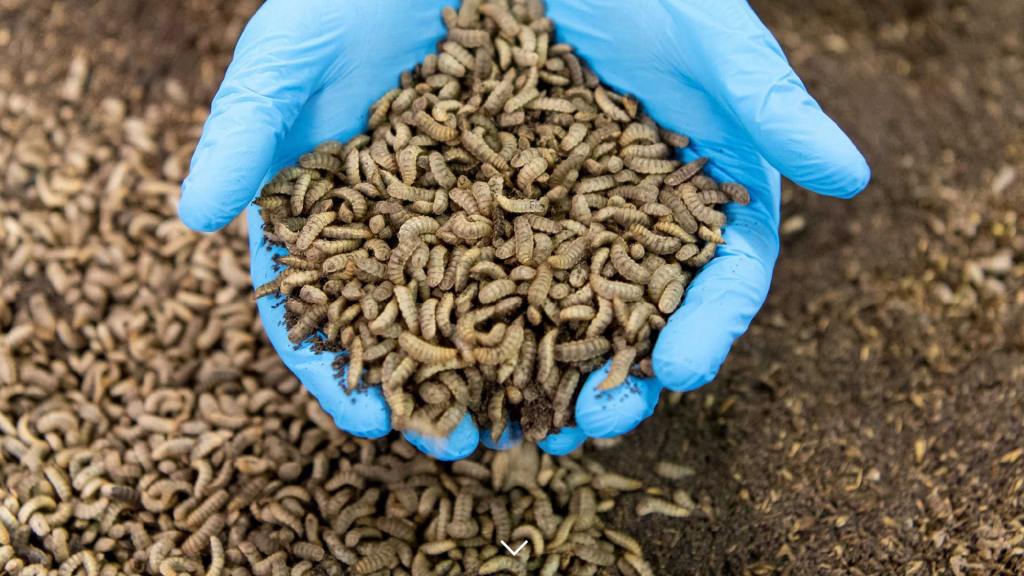
In a bold move to address soaring fish feed costs, the Lagos State Catfish Farmers Association of Nigeria (LASCAFAN) is exploring the adoption of Black Soldier Fly Larvae (BSFL) as a sustainable and cost-effective alternative protein source in aquaculture.
During a recent media briefing in Lagos, Mr. Michael Oke-Tojinu, Chairman of LASCAFAN, revealed that the association is actively encouraging catfish farmers to embrace BSFL production on a larger scale to meet feed demand across fish farms in the state.
“The rising cost of conventional fish feed has pushed us to explore innovative options,” said Oke-Tojinu. “Black Soldier Fly Larvae offer a viable alternative. They are efficient in converting organic waste into high-protein biomass, and we’re working on getting more farmers trained to adopt this technology commercially.”
Why Black Soldier Fly Larvae?
Black Soldier Fly Larvae are increasingly gaining global recognition for their role in sustainable animal feed production. These insects feed on various organic waste materials—including food scraps and animal manure—making them one of the most efficient organisms at transforming waste into valuable protein.
Not only do they offer a low-cost, eco-friendly protein source, but they also contribute to waste management and environmental sustainability, aligning perfectly with circular economy principles in agriculture.
Training and Technology Adoption Key to Scale
Currently, the production of BSFL in Lagos is still at a pilot stage, with limited availability for commercial-scale fish feed manufacturing. However, LASCAFAN is working towards scaling this solution by organizing training programs for local farmers, empowering them with the knowledge and tools needed to produce larvae at a commercial level.
“We need to build local capacity and expand BSFL production,” said Oke-Tojinu. “Once scaled, this innovation will significantly reduce feed input costs, helping farmers maintain profitability and boosting the overall sustainability of the aquaculture sector.”
Implications for Nigeria’s Aquaculture Future
Fish feed represents the largest cost driver in aquaculture, often accounting for more than 60% of operational expenses. With initiatives like the BSFL adoption, Nigeria’s fish farming industry could witness improved margins, increased local feed self-sufficiency, and reduced dependency on imported feed ingredients like fishmeal and soybean.


 farmalert.online
For questions Leave a Reply