
The Federal Government of Nigeria is taking decisive steps to resolve the long-standing farmer-herder conflicts through inclusive policies and structural reforms that promote peaceful coexistence and shared prosperity.
At a recent workshop held in Abuja, the Minister of Livestock Development, Dr. Idi Mukhtar Maiha, emphasized that the newly established ministry is focused on tackling the root causes of conflict between pastoralists and crop farmers. Represented by his Special Assistant, Saleh Momale, the Minister outlined a strategic intervention framework aimed at fostering peace, improving social harmony, and ensuring equitable service delivery across agricultural and livestock-rearing communities.
The workshop was jointly hosted by the Fulbe Development and Cultural Organisation and the Centre for Population and Environmental Development, and focused on evidence-based research surrounding pastoralism, gender dynamics, and conflict mitigation strategies.
Building Consensus Through Collaborative Action
The Ministry’s approach emphasizes multi-stakeholder engagement, working closely with state and local governments, traditional leaders, civil society organizations, and international development partners. By encouraging cooperative resource management and boosting access to essential services—such as feed supply, animal healthcare, and education—the government aims to foster shared benefits and economic stability among pastoral and farming communities.
“These efforts are expected to yield long-term peace, inclusiveness, and economic transformation,” said Momale.
Dr. Maiha noted that the growing involvement of state governments and private sector players is a promising indicator of the progress being made. He reaffirmed the Ministry’s commitment to delivering practical, people-centered solutions that ensure the sustainability of Nigeria’s livestock and agricultural value chains.
Resettlement, Inclusion, and Strategic Communication
Speaking at the event, the Special Assistant to the President on Women Affairs, Rukkaiyatu Ribadu, shed light on the government’s ongoing plans to resettle pastoralist families, with strong backing in land allocation, education, healthcare, and other vital services.
However, she emphasized that advocacy and community sensitization remain critical gaps in achieving success. Ribadu called on media organizations and stakeholders to amplify the positive impact of government policies and give attention to the experiences of women and girls, who are often left out of conflict resolution narratives.
“We need to spotlight the silent voices and build trust through robust public engagement,” Ribadu urged.
Education: A Catalyst for Peace
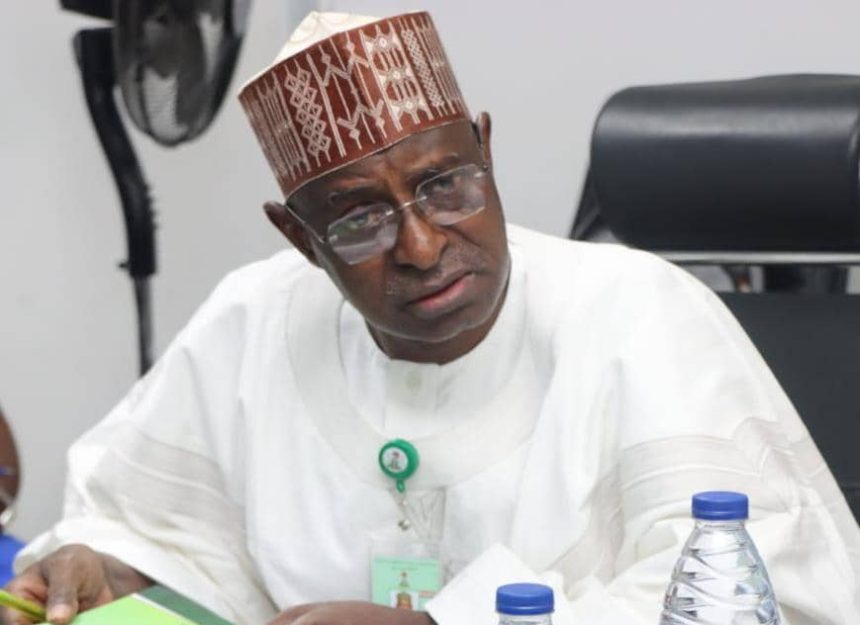
In a related development, the Executive Secretary of the National Commission for Nomadic Education, Professor Bashir Haruna, highlighted the pivotal role of education in peacebuilding efforts within nomadic groups. According to him, literacy rates among nomadic populations have risen from under 1% to 19% over the last 35 years, with over 1.5 million nomadic children currently enrolled in more than 8,000 specialized schools across the country.
To strengthen outreach, Haruna announced the upcoming launch of a dedicated AM radio station targeting nomadic communities—who primarily rely on radio for information dissemination. The station will span Nigeria and parts of neighboring countries, providing critical education, health, and development content tailored to the unique needs of mobile populations.
“With 99% of nomads relying on radio, this station will be a game-changer for national integration and livestock sector development,” he added.


 farmalert.online
For questions Leave a Reply