
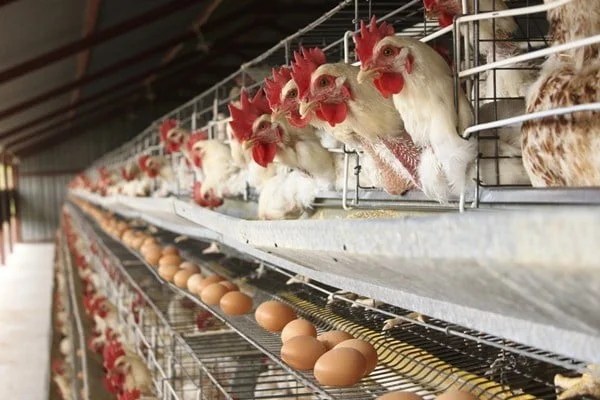
As part of its commitment to tackling unemployment and promoting youth entrepreneurship, the Federal Government of Nigeria has launched a six-month, cost-free poultry farming training for 120 young individuals in Plateau State. The initiative is powered through the National Youth Skills Acquisition Fund (NYESAF) under the broader Innovation, Development, and Effectiveness in the Acquisition of Skills (IDEAS) Project.
Building Capacity Through Skills Development
Speaking at the launch in Jos, Dr. Daniel Jarafu, CEO of VetVille Nigeria Ltd, the government-assigned training partner, highlighted that the programme is strategically designed to equip young Nigerians with market-relevant skills in poultry production. The aim is to create a generation of skilled agripreneurs who can drive economic independence, reduce youth unemployment, and contribute meaningfully to Nigeria’s agricultural sector.
The training is structured into:
- Three months of intensive classroom instruction focused on poultry production systems, biosecurity, feed management, disease prevention, and agribusiness principles.
- Three months of hands-on practical exposure, ensuring that participants gain real-world experience.
At the end of the programme, participants will take the National Skills Qualifications (NSQ) Exam, earning a nationally recognized certification equivalent to formal vocational credentials.
A Path to Livelihood Sustainability
Delivering a goodwill message at the inauguration, Professor Arhyel Balami, the event’s Guest of Honour, commended the federal government’s focus on agribusiness-driven youth empowerment. He urged the trainees to fully commit to the programme and see it as a stepping stone to sustainable livelihoods and job creation.
Nationwide Impact
The NYESAF initiative is targeting 75,000 youth beneficiaries across Nigeria, with poultry farming as one of the core vocational tracks. This training project reaffirms the government’s resolve to empower the next generation of Nigerians with resilient, income-generating skills—particularly in high-demand sectors like animal agriculture.


 farmalert.online
For questions Leave a Reply