
By Abdulmalik A. Ogbe, DVM – Intern at Farm Alert
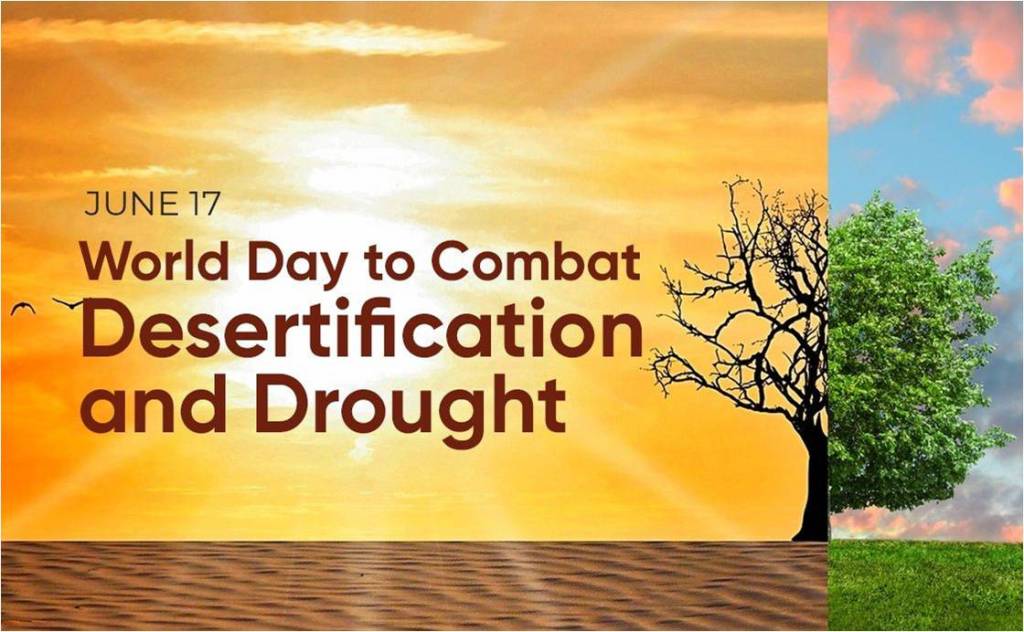
Every year on June 17, the world marks the World Day to Combat Desertification and Drought, a United Nations initiative to raise awareness and promote actions to address two escalating environmental challenges, desertification and drought, especially urgent in drylands. As climate change accelerates and land degradation intensifies, the drylands that sustain scores of people are under siege.
But amid the growing sense of urgency, there is an emerging perspective that demands greater attention: the role of veterinary science in addressing this crisis through the One Health approach.
The One Health framework recognizes the interconnectedness of human, animal, and environmental health and this is very evident in the impacts of desertification and drought as these environmental crises threaten livestock, wildlife, and human health, creating a ripple effect across ecosystems and societies. This article explores how veterinarians play a critical role in mitigating these impacts.
Understanding Desertification and Drought Through the Veterinary and One Health perspective
The one health framework highlights how these environmental changes disrupt the delicate balance between humans, animals, and ecosystems.
Desertification is the process where arable and fertile land becomes unproductive due to a mix of climatic changes and human activities (like deforestation, water mismanagement, unsustainable agriculture)
Drought characterized by prolonged water shortages or scarcity, intensifies these challenges by drying out pastures, reducing crop yields, and putting stress on animals and ecosystems.
For livestock, these conditions lead to reduced pasture and forage availability, leading to malnutrition and dehydration, weakened immunity and increased disease susceptibility, higher risk of disease outbreaks, and subsequently economic loses in the production industry thus threatening food security.
For wildlife, these conditions means more habitat loss which drives wildlife closer to human areas and settlements in search of food and water, thus increasing human-wildlife contact which raises the risk of zoonotic diseases, as well as risk of disease transmission between the wildlife and livestock.
Veterinarians, as stewards of animal health, are uniquely positioned to address these issues.
While environmental scientists and policymakers often lead these discussions and efforts of combating desertification and drought, veterinarians also have a vital role to play and by integrating veterinary expertise with environmental and public health efforts, the One Health approach fosters solutions that benefit all sectors. This is the essence of One Health (addressing health as a shared responsibility between animals, people, and the environment).
While drought and desertification have direct impacts like;
- Livestock lose access to grazing areas and water, leading to malnutrition, dehydration, decreased immunity, disease risk, and death.
- Wildlife competes with livestock and humans for limited resources, increasing disease transmission.
- Pastoralist communities suffer economic losses when their herds die or fall ill.
Veterinarians must respond with:
- Vaccination campaigns and disease surveillance.
- Education on how to care for animals under extreme weather conditions.
- Working with environmental experts, veterinarians can support the use of drought-resistant fodder crops, promote climate-smart grazing, and help restore degraded land.
Veterinarians also play a role in preventing desertification and supporting land restoration:
- Promoting sustainable livestock practices, like rotational grazing and agroforestry, which protect soil and water resources.
- Advising farmers on drought-tolerant breeds and nutritional supplements to improve animal health.
- Participating in early warning systems to predict and manage disease outbreaks linked to environmental stress.
These efforts show that veterinary expertise is critical not only for animal care but also for restoring ecosystems, securing food supplies, and strengthening community resilience.
The One Health Approach in Action
The One Health approach brings together veterinarians, doctors, and environmental scientists to find solutions that can improve conditions for animals, people, and the environment, building a future where all can thrive.
Conclusion
The health of land is the foundation of all life, supporting animals, people, and nature. This World Day to Combat Desertification and Drought is a reminder that we are all part of the fight and the 2025 theme, “Restore the Land. Unlock the Opportunities” challenges us to recognize land restoration as a social and economic opportunity.
Call to Action
Veterinarians, environmental scientists, doctors, public health workers, policymakers, governments and communities must all work together to promote One Health policies and activities that protect and improve environmental, animal, and human health.
Let’s take action today, for healthy land, healthy animals, and a healthier future.


 farmalert.online
For questions Leave a Reply