
Despite having a vast livestock population across the region, West African countries continue to spend over $3 billion annually on meat imports, primarily from countries like Australia. This revelation has reignited calls for stronger regional trade integration under the African Continental Free Trade Area (AfCFTA) and the urgent development of local value chains to harness indigenous agricultural resources.
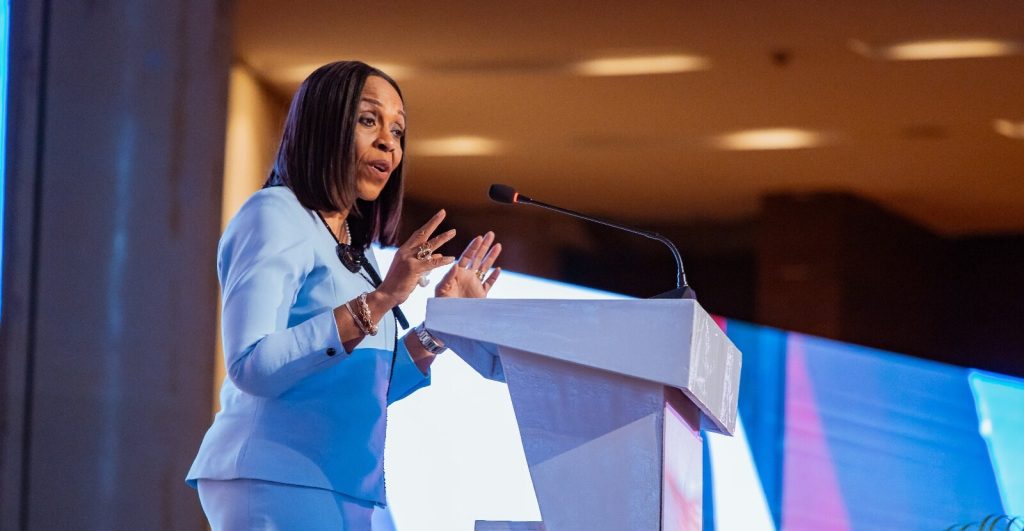
The concern was raised by Ms. Kanayo Awani, Executive Vice President of Intra-African Trade and Export Development at Afreximbank, during a keynote presentation in Lagos. Awani criticized the continent’s outdated trade patterns that prioritize external markets while neglecting internal capabilities.
“Africa’s trade orientation has long looked outward—for technology from Europe, fabrics from Asia, and food from the Americas—while neglecting the wealth of natural and agricultural assets within its own borders,” she said.
Awani pointed out the contradictions in Africa’s current trade behavior: countries in West Africa import billions in meat while nations like Botswana, Namibia, and Mali have livestock surpluses; a Ghanaian shoemaker imports leather from Argentina despite Nigeria, Ethiopia, and Burundi being rich in hides; and European dairy lines supermarket shelves in Senegal while East Africa is a milk production leader.
Intra-African Trade: From Vision to Necessity
According to Awani, the time has come for the continent to invest in resilient, regional value chains and shift focus to homegrown solutions. She emphasized that intra-African trade is not merely a diplomatic agenda—it’s a strategic necessity for long-term survival and prosperity.
Since inception, the Intra-African Trade Fair (IATF) has helped broker over $100 billion in trade and investment deals, with Nigerian enterprises securing more than $11 billion in 2023 alone.
Nigeria’s Opportunity in Regional Trade
Nonye Ayeni, Executive Director of the Nigerian Export Promotion Council (NEPC), also stressed the urgency of seizing the AfCFTA opportunity to reduce import dependency and foster sustainable agricultural exports.
She highlighted recent progress such as:
- A 24.7% growth in Nigeria’s non-oil exports in Q1 2024
- Export of 246 agricultural products to 126 global markets
- A focused AfCFTA strategy identifying 20 priority products and 5 key target markets
“We have the land, the talent, and the resources. What we need now are the three Cs—collaboration, commitment, and coordination,” Ayeni asserted.
The NEPC has also begun capturing informal cross-border trade data and secured approval for the CFA franc as a repatriation currency—an important step in simplifying transactions between Nigeria and Francophone West Africa.
What This Means for Nigeria’s Livestock Sector
This data-driven spotlight on Africa’s import paradox is a wake-up call for Nigeria and other regional players to:
- Revive and invest in domestic meat processing industries
- Strengthen trade agreements under AfCFTA
- Leverage veterinary infrastructure to improve livestock productivity
- Support regional supply chains that benefit African farmers
Conclusion:
The $3 billion spent annually on importing meat could be redirected to build local processing plants, enhance animal health systems, and create thousands of jobs across the livestock value chain. With AfCFTA offering a powerful platform and stakeholders showing growing momentum, now is the time for Nigeria to turn inward and unlock the full potential of its livestock economy.


 farmalert.online
For questions Leave a Reply