
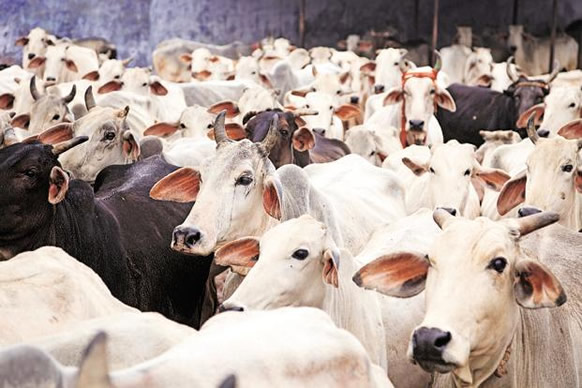
In a renewed effort to tackle the long-standing conflicts between farmers and pastoralists in Taraba State, key stakeholders have called for the re-mapping and protection of grazing reserves and cattle routes as a strategic approach to achieving lasting peace and agricultural productivity.
The call was made during a town hall and stakeholder engagement organized by the National Orientation Agency (NOA) in Jalingo under the Pathway to National Cohesion, Development and Unity initiative. The session brought together leaders from pastoralist and farming communities, government representatives, and civil society to address the root causes of violence, insecurity, and displacements linked to resource competition.
Reviving Lost Cattle Routes to Promote Harmony
Alhaji Ibrahim Barewa, Chairman of the Miyetti Allah Cattle Breeders Association of Nigeria (MACBAN) in Taraba, highlighted that many of the designated grazing paths and reserves, some of which date back to the pre-colonial era, have been lost to urban development and unregulated land use.
“Our people struggle to move their herds because many grazing paths have been overtaken by human settlements,” Barewa said, noting that this has fueled frequent disputes with farming communities.
He urged authorities to step up enforcement against illegal arms possession and prosecute individuals inciting violence under the guise of herder activities. He also warned against the political manipulation of herder-farmer tensions, calling for unity and dialogue.
Farmers Advocate Conflict Resolution Commission
On the farmers’ side, Alhaji Salisu Kumba, Chairman of the All Farmers Association of Nigeria (AFAN), called on the Taraba State government to safeguard existing grazing infrastructure and proposed the creation of a Herders-Farmers Peace Commission. This independent body would focus on conflict mediation, strengthening dialogue, and promoting trust between communities.
“Farmers and herders are inherently peaceful; it is political interference that often turns minor disputes into violent conflicts,” Kumba emphasized.
Government Acknowledges Encroachment Crisis
Mahmoud Abdullahi, Director of Livestock Services at the Taraba State Ministry of Agriculture and Food Security, revealed that nine gazetted grazing reserves exist in the state. However, these have been heavily encroached upon, mainly due to increasing human settlements and lack of formal use by pastoralists.
He also flagged substance abuse among youth in herding communities as a growing concern that contributes to violence and lawlessness.
“The Ministry is already working on re-identifying and reclaiming cattle routes and grazing lands to reduce conflict triggers,” Abdullahi confirmed.
A National Approach to Peace and Unity
Representing the NOA, Director Zakari Muhammad stressed that national security threats such as extremism, kidnapping, banditry, and farmer-herder clashes require localized, region-specific solutions. The NOA’s national framework aims to foster collaboration, empower traditional leaders, and promote civic responsibility.
“We need all stakeholders to commit to peaceful coexistence and mutual respect. Nigeria’s unity depends on our ability to resolve these issues constructively,” Muhammad said.
Why This Matters:
The restoration of cattle routes and grazing reserves is crucial for easing tensions between agricultural stakeholders, improving livestock mobility, and boosting food security in Nigeria. As resource competition grows amid climate stress and land pressures, integrated solutions like these offer hope for peaceful and sustainable rural development.


 farmalert.online
For questions Leave a Reply