
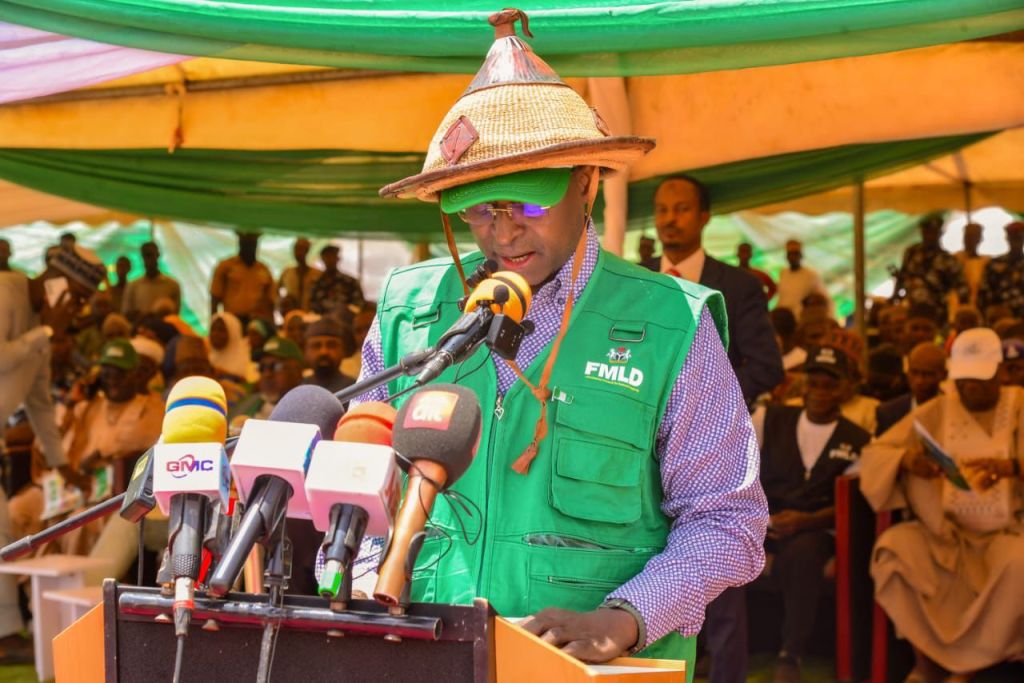
As the Federal Ministry of Livestock Development commemorates its first anniversary, stakeholders across the agricultural sector are taking stock of the remarkable progress made in reshaping Nigeria’s livestock industry.
Established in July 2024 by President Bola Ahmed Tinubu, the Ministry was created to address the long-standing challenges facing animal agriculture in Nigeria—including outdated production methods, grazing conflicts, and underdeveloped value chains. Over the past year, the Ministry has worked to reposition the livestock sector as a powerful engine for food security, economic diversification, and rural development.
At the helm of this reform is the Minister of Livestock Development, Idi Mukhtar Maiha, who affirmed the Ministry’s commitment to implementing transformational programs under the National Livestock Growth Acceleration Strategy (NL-GAS).
“We are setting a new standard for livestock development by focusing on six pillars: feed and fodder improvement, animal breeding, value chain enhancement, veterinary services, financial access, and youth and women inclusion,” said Maiha.
Key Milestones Achieved in Year One
✅ Mass Animal Vaccination: Large-scale immunization drives against transboundary animal diseases such as Foot-and-Mouth Disease (FMD) and Contagious Bovine Pleuropneumonia (CBPP) have been rolled out in collaboration with state governments.
✅ Grazing Reserve Rehabilitation: Several degraded grazing reserves across the North have been restored and are now functional, reducing pastoral pressure and helping ease herder-farmer conflicts.
✅ Pastoralist Training: Over 1,000 livestock keepers and pastoral youths have received training in modern husbandry practices, rangeland management, and livestock nutrition.
✅ Stakeholder Engagement: The Ministry has fostered collaborative frameworks with traditional institutions, veterinary associations, and pastoralist groups to ensure policies are community-driven and inclusive.
Industry experts believe these early interventions have already begun to yield results—improving herd productivity, stabilizing fragile rural economies, and laying the groundwork for a climate-smart, commercially viable livestock industry.
Looking Ahead: The Roadmap for Year Two
Building on early momentum, the Ministry’s priorities for the upcoming year include:
🔹 Expanding Private Sector Investment in ranching infrastructure and feedlot operations.
🔹 Scaling Climate-Resilient Forage Production to reduce feed scarcity during dry seasons.
🔹 Boosting Export Readiness of Nigerian beef and dairy through certification programs and cold-chain support.
🔹 Strengthening Data Systems to monitor animal health, productivity, and disease outbreaks more effectively.
The Nigerian Veterinary Medical Association (NVMA) and several pastoralist networks have publicly commended the Ministry’s proactive stance and pledged continued collaboration.
As Nigeria works to diversify its economy and tackle food insecurity, the Ministry’s progress in just one year signals a hopeful path forward for livestock producers, veterinarians, agribusinesses, and rural communities alike.


 farmalert.online
For questions Leave a Reply