
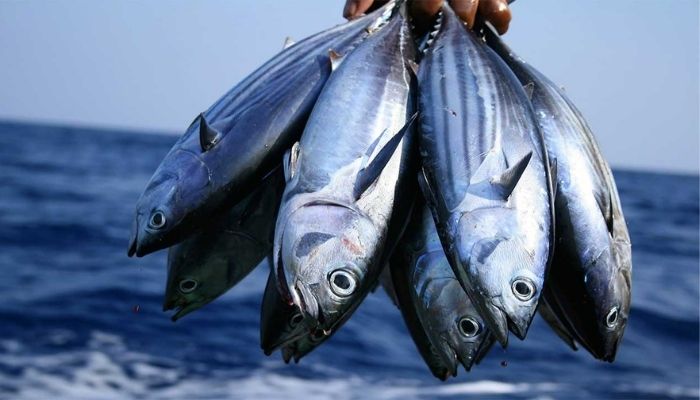
In a strategic push to enhance national food security and reduce Nigeria’s reliance on imported seafood, the Federal Government has reaffirmed its commitment to revitalizing the local fisheries and aquaculture sector. This renewed focus aims to stimulate employment, promote export opportunities, and ensure sustainable fish production across the country.
Speaking at a recent high-level consultative meeting with fisheries cooperative groups in Abuja, the Honorable Minister of Marine and Blue Economy, Adegboyega Oyetola, emphasized the government’s intention to scale domestic fish production and reposition aquaculture as a central pillar of economic development.
“Nigeria must transition towards fish production self-sufficiency. Our ministry is determined to reduce imports by empowering local fish farmers, driving growth through inclusive policies and financial interventions,” Oyetola stated.
Driving Change Through Policy and Partnerships
The meeting brought together key players in Nigeria’s fisheries landscape—including leaders from the Fisheries Cooperative Federation of Nigeria (FCFN), Catfish Farmers Association of Nigeria, Tilapia Aquaculture Developers Association of Nigeria, Women in Fish Farming and Aquaculture, and other stakeholders.
During the session, Minister Oyetola revealed that discussions are ongoing with the World Bank to secure funding support for fish farmers. Additionally, the ministry is collaborating with the Nigerian Agricultural Insurance Corporation (NAIC) to offer cost-effective insurance plans to reduce risk exposure among aquaculture entrepreneurs.
“We are aligning our interventions with President Tinubu’s Renewed Hope Agenda, which places a premium on youth inclusion, job creation, and economic diversification,” the minister added.
Empowering Women and Youth in Aquaculture
Recognizing the role of young people and women in agricultural transformation, Oyetola underscored efforts to launch start-up grants and empowerment programs tailored to these groups. These initiatives aim to build capacity, foster entrepreneurship, and increase participation in the aquaculture value chain.
“Youth engagement in fish farming is crucial—not just for improving protein availability but also as a strategic solution to unemployment,” he said.
Tackling Sector-Wide Challenges
Stakeholders highlighted a range of pressing concerns affecting the industry, including:
- Overfishing and environmental decline
- Limited access to finance
- High post-harvest losses
- Inadequate cold chain infrastructure
- Poor market access and transportation
- High cost of imported fish feed
- Low youth participation
- Multiple levies from local authorities
In response, the minister assured stakeholders of proactive engagement with both domestic and international partners to tackle these bottlenecks.
Furthermore, efforts are underway with the Federal Ministry of Water Resources to replicate the successful Oyan Dam aquaculture model in other regions—creating hubs of fish farming excellence through integrated planning and inter-agency collaboration.
Sustainable Livelihoods Plan Proposed
President of the Fisheries Cooperative Federation of Nigeria (FCFN), Mashi Sani, presented a strategic plan tagged the Sustainable Livelihoods and Fish Food Security Initiative (SLESI). The three-year program aims to:
- Generate one million sustainable jobs
- Cut post-harvest fish losses by 50%
- Increase national fish output by 35%
Sani called for the adoption and implementation of the SLESI framework, urging the ministry to collaborate with cooperatives in addressing infrastructural gaps, improving access to markets, and strengthening extension services for fish farmers.
“Aquaculture is central to nutrition and income generation in rural areas. With the right support systems, the sector can significantly contribute to Nigeria’s food basket,” he emphasized.
Conclusion
As Nigeria charts a new course toward aquaculture transformation, collaboration remains key. The Federal Government’s renewed commitment to reducing fish imports and bolstering local production is a significant step toward achieving food security, creating jobs, and unlocking the full potential of the blue economy.


 farmalert.online
For questions Leave a Reply