
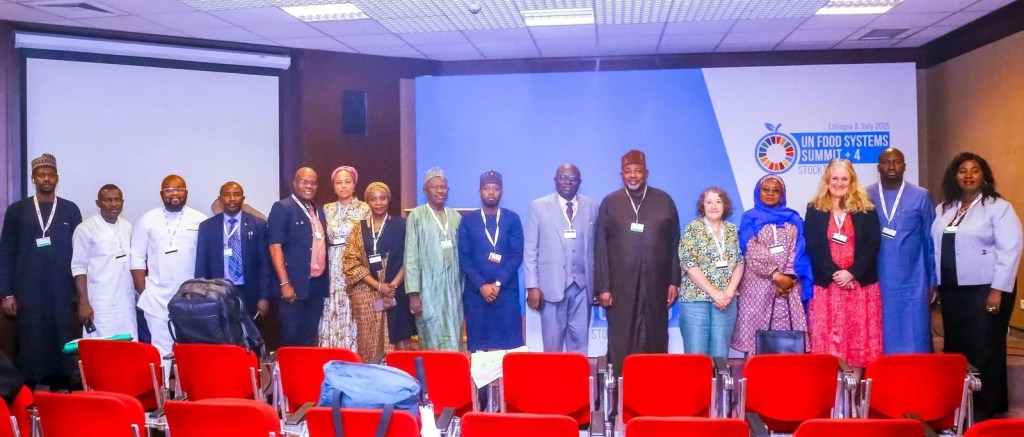
At the UN Food Systems Summit +4 (UNFSS+4) High-Level Side Event in Addis Ababa, Ethiopia, Nigeria reaffirmed its commitment to building inclusive, nutrition-sensitive, and climate-resilient food systems. The event, themed “Catalyzing Change: Showcasing Nigeria’s Innovations and Collaborations in Food Systems Transformation,” spotlighted Nigeria’s strides since the inaugural 2021 Food Systems Summit and its bold path forward.
Represented by the Minister of Agriculture and Food Security, Senator Abubakar Kyari, CON, the Nigerian delegation emphasized the country’s implementation of 78 priority actions outlined in its National Food Systems Transformation Pathways. These efforts, he said, are being backed by a network of robust international partnerships, including IFAD, FAO, WFP, UNICEF, AfDB, and GIZ.
“This is more than a dialogue—it is a call for catalytic, impactful, and sustained action to transform food systems, not only for Nigeria, but across Africa and the globe,” said the minister.
Key Pillars of Nigeria’s Food System Transformation:
- Inclusive Governance & Coordination
Nigeria has embedded food systems transformation into national and sub-national development plans. All 36 states and the FCT are working under a coordinated framework involving both public and private stakeholders, women and youth groups, and sector agencies. - Digital Innovation & Mechanization
Guided by the National Agricultural Technology and Innovation Policy (NATIP), the country is embracing digital tools to deliver inputs, credit, extension, and market access to smallholder farmers. Platforms like the National Agriculture Growth Scheme (NAGS) are central to this effort. - Agro-Industrialization and Investment
Through initiatives such as the Special Agro-Industrial Processing Zones (SAPZs), supported by AfDB, IFAD, and others, Nigeria is building integrated value chains, reducing post-harvest losses, and boosting rural economic growth. - Climate-Smart Agriculture
In climate-vulnerable regions such as the Sahel, Nigeria is investing in resilient seeds, regenerative farming practices, and early warning systems—demonstrating leadership in climate-adaptive agriculture. - Youth and Women Empowerment
A nationwide digital mapping initiative has engaged young people and women as innovators and entrepreneurs across the agri-food value chain—placing them at the heart of transformation.
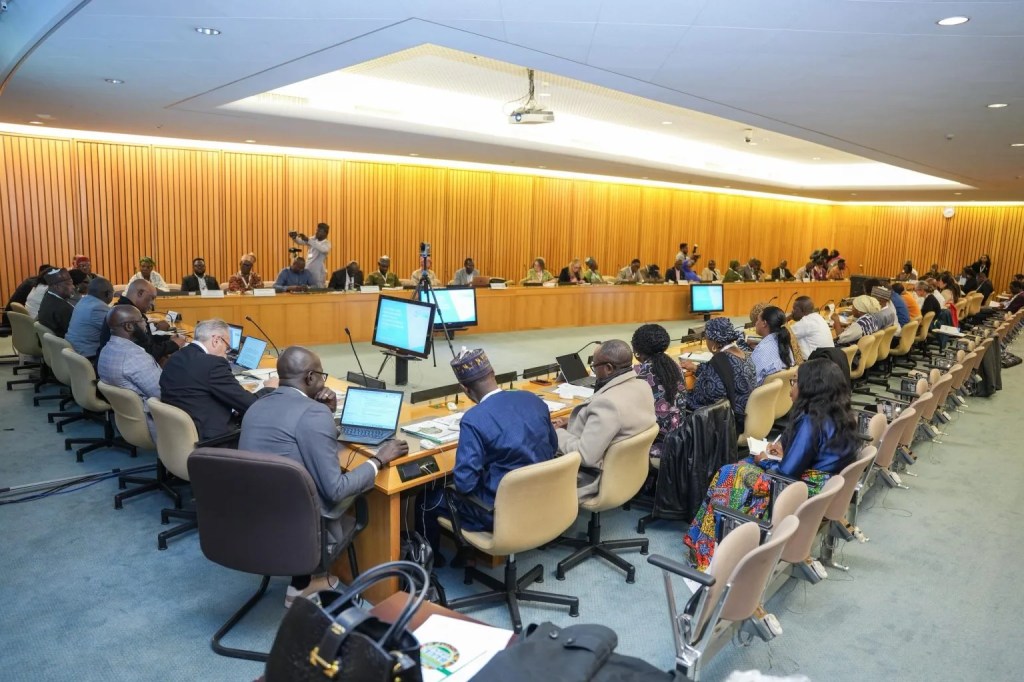
Strong International Partnerships
Senator Kyari credited Nigeria’s momentum to powerful collaborations with global institutions, including:
- IFAD – supporting digital agriculture innovation and policy dialogue
- FAO, WFP, UNICEF – co-implementing the Agri-Food System Transformation and Innovation (AFTI) Programme
- GAIN, GIZ, EU, FCDO, AFD, and CARE International – driving nutrition-sensitive programs and system resilience
These partnerships support evidence-based policymaking, modern agricultural infrastructure, inclusive finance, and the reduction of post-harvest losses.
IFAD’s Role in Digital Agriculture
In her keynote, Ms Dede Ekoue, IFAD Country Director for Nigeria, announced support for the National Digital Farmers Registry (NDFR). This initiative, aligned with Nigeria’s Digital Innovation Action Plan (DIAP), enhances service delivery through improved targeting, climate data access, and financial inclusion.
“Through digital solutions, we are improving transparency and empowering smallholder farmers across all states,” Ekoue said.
She also emphasized the UN Joint Programme on Agri-Food Systems Transformation in Nigeria (AFTI), which focuses on four pillars:
- Governance of national food systems
- Increased productivity and income for smallholders
- Reduction of post-harvest losses
- Improved nutrition for women, adolescents, and children
Transforming Fragility into Opportunity
In fragile areas such as northern Nigeria, IFAD, WFP, AfDB, and IFPRI are pioneering an inclusive, resilience-based food assistance model. With programs like the Value Chain Programme in Northern Nigeria (VCN), the aim is to revive local economies, create jobs, and promote peace through structured agricultural investments.


 farmalert.online
For questions Leave a Reply