
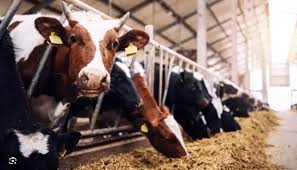
In a significant move to revamp Nigeria’s agricultural sector, the Federal Government has unveiled plans to establish livestock breeding centres across all six geopolitical zones of the country. This initiative is designed to improve livestock productivity, support sustainable farming systems, and create new opportunities for youth engagement in agriculture.
The announcement was made by the Minister of State for Agriculture and Food Security, Senator Aliyu Abdullahi, during a two-day government-citizen engagement session organised by the Sir Ahmadu Bello Memorial Foundation in Kaduna.
According to the Minister, the development aligns with the Renewed Hope Agenda of the Tinubu administration, which prioritises innovation and youth empowerment in the agricultural value chain.
“This project is focused on preparing the younger generation with cutting-edge agricultural techniques, technology-based education, and modern livestock management methods to strengthen food security across Nigeria,” Senator Abdullahi stated.
A Multi-Sectoral Approach to Agricultural Development
The Minister emphasised the importance of inter-ministerial collaboration to fully implement this transformative agenda. He noted that the Ministry of Agriculture is working hand-in-hand with the Federal Ministry of Education to overhaul the current school curriculum. This curriculum redesign aims to embed practical agricultural training and encourage young Nigerians to view agriculture as a viable career path.
In addition, the initiative is being coordinated alongside other critical sectors, including the Ministries of Environment, Water Resources, Livestock Development, and the Marine and Blue Economy, to ensure a cohesive and efficient execution strategy.
“Achieving the vision of sustainable agriculture and national food sufficiency requires joint efforts across these ministries,” he added.
Boosting Local Production and Reducing Import Dependence
The livestock breeding centres are expected to significantly raise local meat and dairy output, reduce reliance on imports, and contribute to economic diversification. Moreover, the initiative is expected to foster job creation and encourage innovation through hands-on training, especially for Nigerian youth.
This development underscores the Federal Government’s commitment to transforming Nigeria’s livestock industry through investment in research, breeding technology, and capacity-building programs.


 farmalert.online
For questions Leave a Reply