
The Plateau State Government has announced a comprehensive strategy to rejuvenate its potato, coffee, and livestock industries, leveraging the state’s favourable climate and strategic location to boost agro-based exports and strengthen the economy.
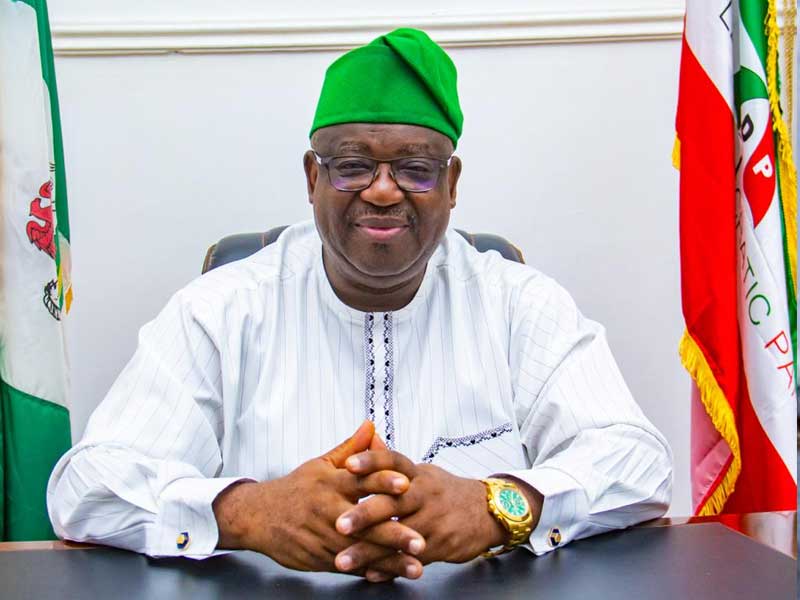
Speaking in Jos, Governor Caleb Mutfwang described agriculture as the “bedrock of society and the cornerstone” of his administration. He revealed that the state will commence construction of a cargo airport next year, designed to position Plateau as a major agricultural export hub in Nigeria and West Africa.
Potato & Coffee Sector Transformation
To revitalise Plateau’s famous potato industry, the government is partnering with a leading seed company from the Netherlands to replace aged, low-yield potato seeds — some over 15 generations old — which currently produce only 3–4 tons per hectare, far below the global average of 10 tons.
A previously underutilised tissue culture project is also being revived to improve seed quality and productivity. In addition, the state is setting up storage-equipped markets and strengthening the Plateau Commodities Marketing Company to stabilise prices, reduce post-harvest losses, and connect farmers to wider markets.
Livestock Sector Overhaul
Governor Mutfwang clarified that the proposed ranching programme in Wase is not a RUGA initiative, but a modern, commercial-scale livestock development project aimed at boosting cattle and milk production.
The programme will focus on replacing low-yield indigenous cattle — which produce only 2.5 litres of milk daily — with high-yield dairy breeds capable of producing up to 20 litres per day. Livestock will be scientifically tagged for traceability and improved management.
The ranching scheme will also create jobs for veterinary doctors and livestock attendants, while ensuring sustainable animal husbandry practices.
Revival of the Jos Abattoir
As part of the livestock value chain enhancement, the Jos Abattoir is set to be revived within three months. Once operational, it will have the capacity to process up to 500 animals daily, supporting both domestic meat supply and export opportunities.
A Modern Agriculture-Driven Economy
With these reforms, Plateau State is positioning itself as a model for agricultural transformation in Nigeria — combining climate advantages, infrastructure investment, and innovation to empower smallholder farmers, agripreneurs, and exporters.
“We must move forward. Agriculture is our foundation, and this is how we will build a stronger economy for our people,” Governor Mutfwang affirmed.


 farmalert.online
For questions Leave a Reply