
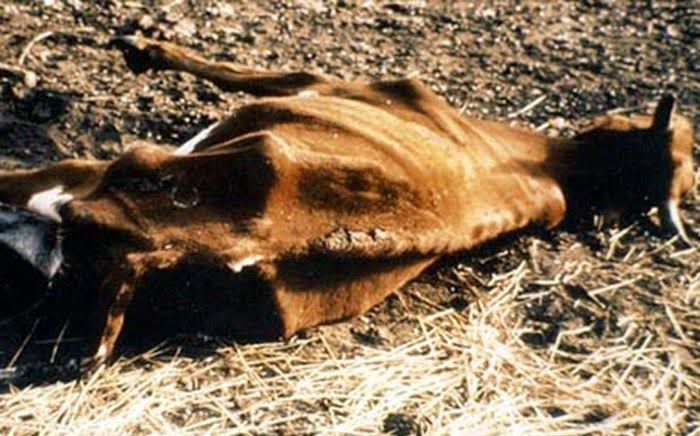
Across sub-Saharan Africa, one of the most economically destructive livestock diseases continues to operate largely under the radar.
African Animal Trypanosomosis, commonly known as “nagana,” remains a persistent constraint on livestock productivity, rural livelihoods, and agricultural transformation across the continent.
Despite decades of control efforts, the disease continues to shape where livestock can be raised, how productive animals can be, and ultimately how resilient Africa’s food systems are.
A Disease That Still Kills Millions of Animals Every Year
Trypanosomosis is transmitted primarily by the tsetse fly, which occupies vast ecological zones across Africa. Today:
- The disease is endemic in over 30 African countries
- It causes approximately 3 million cattle deaths annually
- More than 50 million cattle are at risk of infection
Beyond mortality, infection leads to chronic productivity losses including:
- reduced weight gain
- decreased milk yield
- infertility and abortions
- weakened draft power for farming
In practical terms, this means fewer animals, less food, and lower income for millions of livestock-dependent households.
The $4.5 Billion Economic Burden
The financial implications are staggering and often underestimated.
- Direct livestock production losses are estimated at $1.2 billion annually
- When broader agricultural impacts are included, losses rise to $4.5–5 billion per year
- The disease leads to the loss of 500,000 tons of meat and 1 million tons of milk annually
At the national level, the burden is equally severe. In Nigeria alone:
- Annual losses linked to trypanosomosis are estimated at $577.7 million, representing nearly 7% of livestock GDP
At the household level:
- Farmers can lose over $600–$1,200 per year per herd due to mortality, treatment costs, and reduced productivity
These figures highlight a critical reality: this is not just a veterinary issue, but a macroeconomic and food security challenge.
A Disease That Limits Africa’s Agricultural Potential
One of the most overlooked impacts of trypanosomosis is its effect on land use.
- Nearly 10 million square kilometers of land in Africa are infested with tsetse flies
- Large portions of fertile agricultural land remain underutilized due to disease risk
- In tsetse-infested regions, livestock systems are either restricted or significantly less productive
According to global estimates, if these areas were free from the disease:
- Africa could support over 140 million cattle instead of current lower levels
- Meat production could increase by up to 1.5 million tons annually
This makes trypanosomosis not just a disease of animals, but a structural barrier to agricultural expansion and intensification.
Why Control Efforts Are Still Falling Short
Despite decades of interventions, the disease persists due to several systemic challenges:
1. Weak and Fragmented Control Systems
Control efforts often rely on:
- periodic drug treatments
- localized vector control
- short-term donor-funded programs
However, these approaches lack long-term sustainability and coordination.
2. Heavy Dependence on Drugs
- Over 35 million doses of trypanocidal drugs are administered annually
- Rising concerns around drug resistance threaten future effectiveness
3. Limited Surveillance and Diagnostics
In many rural areas:
- access to veterinary diagnostics is poor
- treatment is often based on guesswork
- mortality remains high due to delayed intervention
4. Climate and Ecological Factors
Tsetse fly habitats are influenced by:
- vegetation patterns
- water systems
- climate variability
This makes eradication complex and requires multi-sectoral approaches.
The Policy Opportunity: Why This Matters Now
In 2026, there is growing recognition that livestock diseases must be addressed within broader One Health and food system frameworks.
Trypanosomosis sits at the center of:
- livestock productivity
- rural poverty reduction
- climate resilience
- food security
Yet, it remains under-prioritized compared to high-profile diseases like avian influenza or foot-and-mouth disease.
The Way Forward
To significantly reduce the burden of trypanosomosis, Africa will need:
- Integrated vector control strategies targeting tsetse populations
- Stronger veterinary systems for early detection and response
- Sustained financing, moving beyond short-term donor cycles
- Regional coordination, as the disease crosses borders
- Innovation in vaccines and diagnostics, which remain limited
Final Thought
African Animal Trypanosomosis is not a new disease, but its continued impact in 2026 raises important questions about priorities in animal health policy.
With billions lost annually and millions of animals affected, addressing this disease is not optional. It is essential for unlocking the full potential of Africa’s livestock sector.
The real question is no longer whether the disease is a problem, but whether it will finally receive the level of attention required to solve it.


 farmalert.online
For questions Leave a Reply