
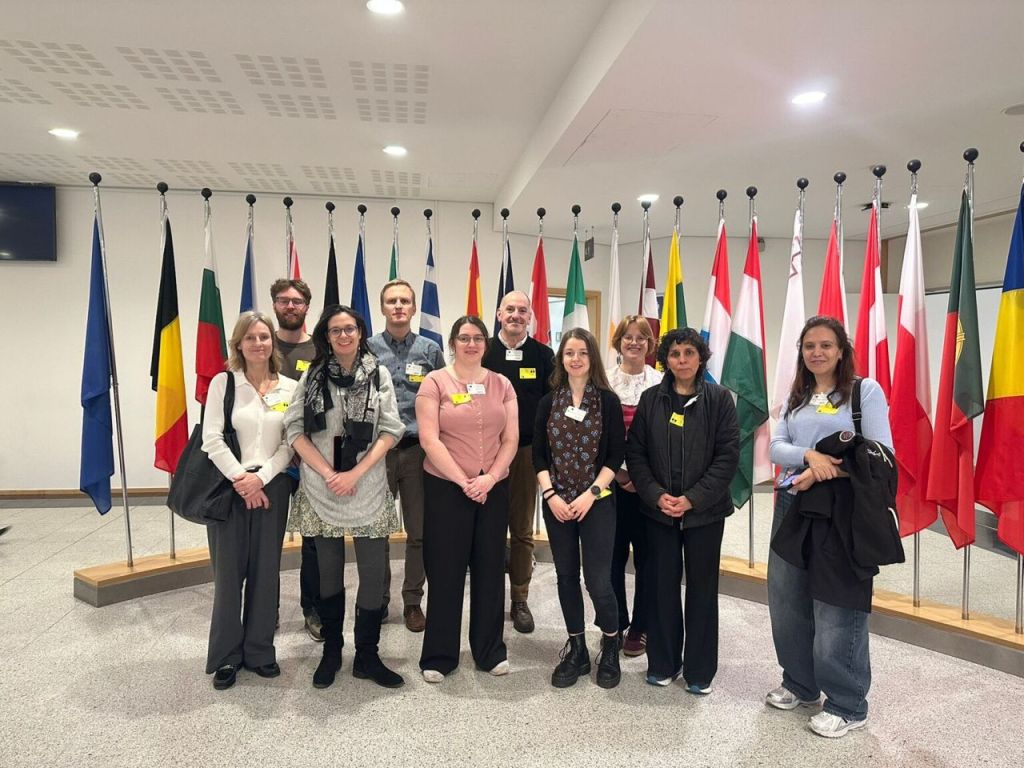
On March 5, 2026, a high-level meeting took place in Brussels that most of the world never heard about.
There were no press briefings, no headlines, and no public communiqués. Yet, the decisions discussed in that room could shape the future of animal health, livestock productivity, and disease control across continents.
The meeting was convened by the Support for the International Research Consortium on Animal Health (SIRCAH), a key coordination platform operating at the center of global animal health research.
This was not a scientific conference. It was a strategic gathering of global research leaders tasked with answering a critical question: what should the world focus on next when it comes to animal diseases?
The System Behind Global Animal Health Decisions
SIRCAH does not operate in isolation. It serves as the secretariat for the STAR-IDAZ International Research Consortium, a global network that brings together research funders, governments, and institutions from nearly 50 countries.
This consortium plays a unique role in the global health architecture. It does not respond directly to outbreaks. Instead, it determines how the world prepares for them.
By aligning research agendas and coordinating funding priorities, the consortium effectively decides which diseases receive attention, which technologies are developed, and which regions benefit from innovation.
In practical terms, this means influencing what solutions will exist five to ten years from now.
What Was at Stake in Brussels
The March 2026 meeting focused on shaping the next phase of global animal health coordination.
At the center of discussions was the transition from the current programme phase to the next. This included reviewing progress, identifying gaps in coordination, and setting priorities for future investment.
This transition is more than administrative. It is strategic. Each phase determines how effectively global research efforts are aligned and whether critical diseases receive the attention they require.
The Challenge of Fragmented Global Research
Animal diseases do not respect borders. A disease outbreak in one country can rapidly become a regional or global threat.
However, research efforts are often fragmented. Countries and institutions may work in parallel on similar problems without coordination, leading to duplication, inefficiencies, and slower progress.
One of the central themes of the Brussels meeting was how to strengthen alignment across countries and institutions.
This includes improving collaboration, sharing data more effectively, and ensuring that funding is directed toward the most urgent and high-impact areas.
In a world of limited resources, coordination is not optional. It is essential.
Accelerating Innovation in Disease Control
Another major focus was accelerating the development of tools needed to control and prevent animal diseases.
This includes vaccines, diagnostics, and broader disease management strategies.
The consortium has been actively advancing discussions in areas such as:
- zoonotic diseases, which pose risks to both animals and humans
- livestock production diseases that reduce productivity and farmer income
- emerging threats that could disrupt global food systems
Specific technical areas under discussion include vaccinology, brucellosis, poxviruses, and aquatic animal diseases.
These are not abstract research topics. They represent real and ongoing challenges affecting millions of farmers and billions of dollars in economic output.
Why This Matters More Than It Seems
At first glance, this may appear to be just another high-level meeting. In reality, it reflects a deeper structure of influence within global animal health.
Decisions made in forums like this determine which diseases are prioritized and which are neglected.
When a disease is prioritized, it attracts funding, research attention, and innovation. Solutions emerge faster, and the burden of the disease is reduced.
When it is not, progress slows, and the disease continues to impose economic and social costs.
This dynamic has significant implications for regions like Africa, where livestock diseases remain a major constraint on development.
Diseases such as trypanosomosis, peste des petits ruminants, and other endemic conditions depend heavily on global research pipelines for long-term solutions.
If these diseases are not strongly represented in global priority-setting processes, efforts to control them may remain underfunded and fragmented.
A Critical Moment for Africa
For African countries, this raises an important question: how effectively are regional priorities being integrated into global research agendas?
Livestock plays a central role in food security, livelihoods, and economic development across the continent.
Ensuring that African disease burdens are adequately represented in global discussions is not just a technical issue. It is a strategic necessity.
Without this representation, the gap between global research efforts and local needs may persist.
What Comes Next
The Brussels meeting is part of an ongoing process.
The next phase of discussions will continue in Ottawa in May 2026, where scientific committees, executive leadership, and regional networks will further refine priorities and coordination strategies.
These meetings will build on the groundwork laid in Brussels and move closer to defining the next phase of global animal health research.
Final Thought
While the world often focuses on outbreaks as they happen, the real battle for animal health is often decided long before a disease spreads.
It happens in rooms like the one in Brussels, where priorities are set, funding is aligned, and the future of research is shaped.
Understanding these processes is essential for anyone interested in the future of livestock, veterinary science, and global food systems.
Because ultimately, the question is not just how we respond to animal diseases, but who decides which ones we solve.


 farmalert.online
For questions Leave a Reply