

Farm Alert’s Founder and CEO calls on newly inducted veterinarians to embrace artificial intelligence, leverage innovation and transform knowledge into meaningful impact.
ILORIN, NIGERIA | 12 October 2026
Dr. Kayode Femi, Founder and CEO of Farm Alert Ltd and 7AI Ltd, has challenged newly inducted veterinarians at the University of Ilorin to embrace Artificial Intelligence (AI) and turn their professional knowledge into measurable impact, stressing that success in the evolving world of veterinary medicine will depend not only on what professionals know but also on how effectively they apply that knowledge.
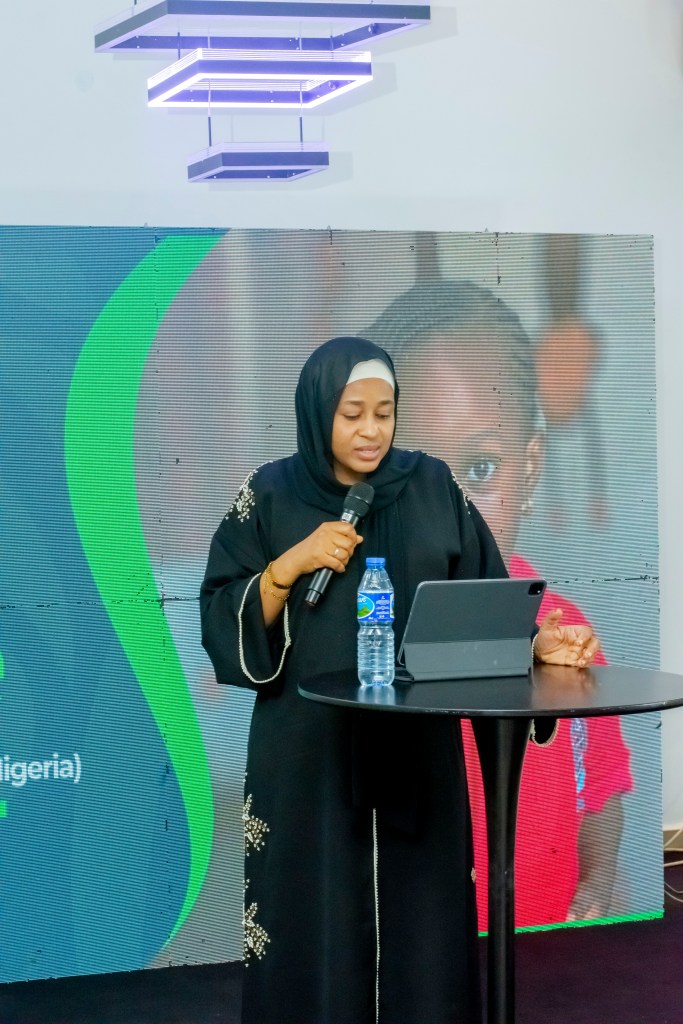
Dr. Kayode delivered the keynote address at the 8th Induction and Oath-Taking Ceremony of the Faculty of Veterinary Medicine, University of Ilorin, held on Monday, 12 October 2026, at the University Auditorium. His address, titled “The Veterinarian in the Age of Artificial Intelligence: Embracing Innovations Without Losing the Human Touch,” explored the changing demands of veterinary practice and the opportunities emerging technologies offer for improving animal health and professional service delivery.
Knowledge Is No Longer Enough
At the heart of Dr. Kayode’s message was a simple but powerful idea: “Knowledge is no longer rare. What is rare now is the wisdom to use it.”
For newly inducted veterinarians beginning their professional journeys, the message was a call to look beyond acquiring qualifications and mastering established clinical knowledge. In a world where information is increasingly accessible and AI tools can process vast amounts of data, the ability to apply knowledge with sound judgment, creativity and purpose is becoming even more important.
Dr. Kayode challenged the inductees to think critically about how they would distinguish themselves in a profession undergoing rapid technological change. The future belongs to professionals who can combine technical competence with the ability to solve real problems.
The emergence of AI does not diminish the value of veterinary education. Rather, it creates an opportunity for veterinarians to extend their capabilities, improve efficiency and make better-informed decisions while remaining accountable for the care they provide.


Every Era Is Shaped by Its Tools
To illustrate the importance of adapting to new technology, Dr. Kayode drew attention to how tools have influenced different periods of human development, from the use of iron to the printing press, the steam engine and other transformative inventions.
His argument was clear: every era presents its own tools, and the ability to understand and use them can determine how effectively people respond to the opportunities of their time.
For veterinarians, AI represents one of the defining tools of the current era. Its potential applications extend across clinical decision support, record management, research, communication, business operations and professional learning.
However, adopting AI should not mean abandoning the principles that underpin veterinary medicine. Instead, veterinarians must learn to use these technologies thoughtfully, understanding both their capabilities and their limitations.
Africa’s Opportunity in the AI Era
Dr. Kayode also highlighted the opportunities available to African professionals and innovators in the development and application of AI.
Africa’s young population, resourcefulness under constraints, and many unresolved practical challenges provide fertile ground for innovation. Rather than waiting for solutions developed elsewhere to address every local need, African professionals can identify problems within their communities and build solutions suited to their realities.
In veterinary medicine, this opportunity is particularly significant. Animal-health data, livestock management challenges, disease surveillance needs and gaps in access to veterinary services can all inform the development of practical, locally relevant technologies.
Dr. Kayode emphasised the importance of starting with problems close to home and building solutions that can eventually serve a much wider market. As captured in his message through Item 7 GO, a Nigerian brand: “Start Local. Think Global. Solve the problem in front of you, then build it big enough for the world.”
For the newly inducted veterinarians, this was an invitation to see themselves not only as future practitioners but also as potential innovators, entrepreneurs and contributors to Africa’s technology-driven development.
Bringing AI into Veterinary Practice
Moving from possibilities to practical applications, Dr. Kayode introduced tools that demonstrate how technology can support veterinary professionals and businesses.
One of the platforms highlighted was AI DOCTA, accessible through FarmVax, which formed part of a live demonstration during the presentation. The exercise gave the audience an opportunity to engage with AI-enabled solutions and consider how such tools could be applied in practice.
He also presented VetX.pro, an AI-powered practice management platform designed with African veterinary practice in mind. Its features include tools for managing sales, monitoring stock and viewing clinic operations through a dashboard. These functions illustrate how digital systems can help veterinary businesses organise their operations, improve visibility and make more informed management decisions.
Another tool discussed was Claude by Anthropic, presented as an AI clinical partner that veterinarians can use to support aspects of their professional work. Potential applications include exploring differential diagnoses, drafting clinical notes, improving client communication, summarising scientific literature and supporting continuing professional education.
AI tools can also help veterinarians explore drug and dosage information. However, all clinical recommendations and medication information must be independently verified against reliable veterinary references, relevant formularies and the individual patient’s circumstances. AI-generated information should never replace proper clinical assessment, diagnostic testing or professional judgment.
The central lesson was not simply to become familiar with new platforms, but to understand how to use them to improve the quality, efficiency and reach of veterinary services.
Embracing Innovation Without Losing the Human Touch
Although the keynote focused on the growing capabilities of AI, its message was not that technology should replace the veterinarian.
The address emphasised the need to embrace innovation without losing the human touch. Veterinary practice requires more than the ability to retrieve information or process data. It calls for observation, practical experience, ethical responsibility, empathy, communication and sound clinical judgment.
These qualities remain essential when caring for animals, advising clients, supporting livestock producers and making decisions that affect animal welfare, public health and livelihoods.
AI can assist with information processing and routine tasks, but veterinarians remain responsible for interpreting findings, evaluating recommendations and making decisions appropriate to each case. The goal is to use technology to strengthen professional practice, not to surrender professional responsibility to it.
The most effective veterinarian of the future will be one who combines clinical competence, human judgment and technological fluency.
A Call to Build Solutions That Matter
Dr. Kayode’s message also extended beyond the consulting room and the veterinary clinic. By encouraging the inductees to recognise the opportunities within Africa’s challenges, he challenged them to think about the wider systems that influence animal health and the sustainability of veterinary practice.
Veterinarians have opportunities to contribute to innovation in livestock production, disease prevention, animal-health services, veterinary entrepreneurship and the management of professional practice. With the right tools and a willingness to experiment responsibly, they can help develop solutions that respond to the needs of farmers, animal owners and the broader society.
For Farm Alert, this vision aligns with the importance of combining veterinary knowledge, practical innovation and technology to address real challenges in animal health and livestock systems.
The keynote reinforced a message relevant to the next generation of veterinary professionals: knowledge creates potential, but its application is what produces impact.
The Next Era Belongs to Those Who Adapt
As the newly inducted veterinarians begin the next chapter of their professional lives, Dr. Kayode’s challenge is one that extends beyond the ceremony: remain curious, embrace relevant innovations, develop the judgment to use them responsibly and build solutions that make a difference.
He concluded with a call to action that captured the spirit of the address:
“We have the intelligence. We have the tools. The only question is whether we have the will.”
Go build.
For the newly inducted veterinarians of the University of Ilorin, the age of AI presents an opportunity to shape the future of their profession. The challenge is to embrace that opportunity with courage, responsibility and a clear commitment to turning knowledge into impact.

























Leave a Reply