
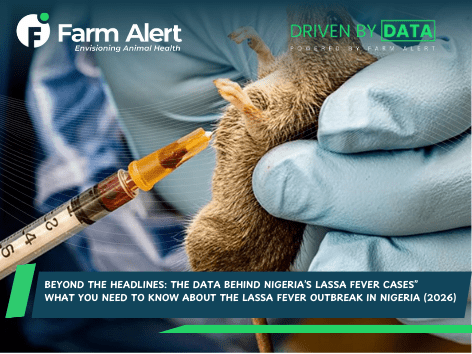
What You Need to Know About the Lassa Fever Outbreak in Nigeria (2026)
If you’ve been seeing headlines about Lassa fever in Nigeria recently, you’re not alone. The numbers have been rising in early 2026 – and while the situation is serious, it’s important to understand what the data actually says, where the risks are highest, and what practical steps can protect you and your family.
Here’s a clear, data-backed breakdown of what’s happening and what you need to know.
The Current Situation: What the Data Shows
According to the Nigeria Centre for Disease Control and Prevention (NCDC), as of epidemiological week 5 of 2026:
- 165 confirmed cases have been recorded.
- 31 deaths have occurred.
- The case fatality rate (CFR) is approximately 18.8%.
- Over 754 suspected cases are under investigation.
- Confirmed cases have been reported in nine states.
States Most Affected
The majority of confirmed cases are concentrated in a small number of states, particularly:
- Bauchi
- Ondo
- Taraba
- Edo
- Plateau
This geographic concentration mirrors patterns observed in previous outbreak seasons.
Health Worker Infections
The NCDC has also reported infections among healthcare workers this year, with confirmed deaths among affected staff. This highlights the ongoing occupational risk in clinical settings and the importance of strict infection prevention and control (IPC) measures.
What Is Lassa Fever?
Lassa fever is an acute viral haemorrhagic illness caused by the Lassa virus. It is endemic in parts of West Africa, including Nigeria.
How It Spreads
The primary reservoir is the multimammate rat (Mastomys natalensis). Humans become infected through:
- Contact with food or household items contaminated by rodent urine or faeces
- Inhalation of contaminated particles
- Person-to-person transmission, especially in healthcare settings without adequate protective measures
Symptoms
The incubation period is typically 2–21 days.
About 80% of infections are mild or asymptomatic, but severe cases can include:
- Persistent fever
- Headache and weakness
- Vomiting and diarrhoea
- Bleeding (in advanced cases)
- Organ failure
Among hospitalized patients, fatality rates can exceed 15%, particularly if treatment is delayed. Early supportive care significantly improves survival.
How 2026 Compares to Previous Years
In 2025, Nigeria recorded over a thousand confirmed cases across the year, with deaths in the high hundreds. The early 2026 case fatality rate is slightly lower than the same period last year, but transmission remains active and dynamic.
Lassa fever typically peaks during Nigeria’s dry season (December–April), which explains why case numbers often rise in the first quarter of the year.
Why Does Nigeria See Lassa Fever Every Year?
Several structural and environmental factors drive recurrent outbreaks:
- Widespread rodent reservoirs in homes and food storage areas.
- Poor sanitation and waste management in some communities.
- Late presentation to health facilities, reducing chances of early treatment.
- Limited infection control capacity in some healthcare settings.
- Seasonal patterns that favor rodent–human contact.
This combination makes Lassa fever not just a medical issue, but also a sanitation and public health systems challenge.
Should You Be Worried?
Concern is understandable – but panic is not helpful.
The data shows that:
- Cases are concentrated in specific states, not nationwide at equal intensity.
- Most infections are mild.
- Early diagnosis and supportive treatment significantly reduce fatality risk.
- Public health authorities have activated response systems, including surveillance, testing, contact tracing, and treatment centre coordination.
Awareness and prevention are your strongest tools.
How to Protect Yourself and Your Family
Here are evidence-based preventive steps recommended by public health authorities:
1. Control Rodent Exposure
- Store food in sealed containers.
- Dispose of garbage properly and regularly.
- Block holes in walls and roofs.
- Avoid drying food on open ground where rodents can access it.
2. Maintain Good Hygiene
- Wash hands frequently with soap and water.
- Avoid contact with rodent droppings.
- Clean surfaces regularly, especially in kitchens and food storage areas.
3. Seek Care Early
If you experience:
- Persistent fever
- Weakness
- Vomiting
- Unexplained bleeding
Seek medical attention immediately – especially if you live in or have traveled to high-burden states.
Early treatment can be lifesaving.
4. Healthcare Workers: Strict IPC
For medical professionals, adherence to infection prevention and control protocols — including proper PPE use – remains critical.
The Bottom Line
What you’re seeing in the news is real: Nigeria has recorded 165 confirmed Lassa fever cases and 31 deaths in the first five weeks of 2026. The outbreak is active, particularly in high-burden states like Bauchi, Ondo, Taraba, Edo, and Plateau.
But the story is not just about rising numbers – it’s about:
- Early detection
- Stronger health systems
- Community hygiene
- Individual preventive action
Lassa fever is endemic in Nigeria. That means vigilance, not panic, is the appropriate response.
Stay informed. Practice prevention. Seek care early.
Data source: Nigeria Centre for Disease Control and Prevention weekly Lassa Fever Situation Reports (Epi Week 5, 2026).


 farmalert.online
For questions Leave a Reply