
For decades, Africa’s pastoral livestock sector has largely been viewed through the lens of humanitarian intervention, conflict management and climate vulnerability. Yet, beneath these longstanding narratives lies one of the continent’s most valuable but underutilised economic assets.
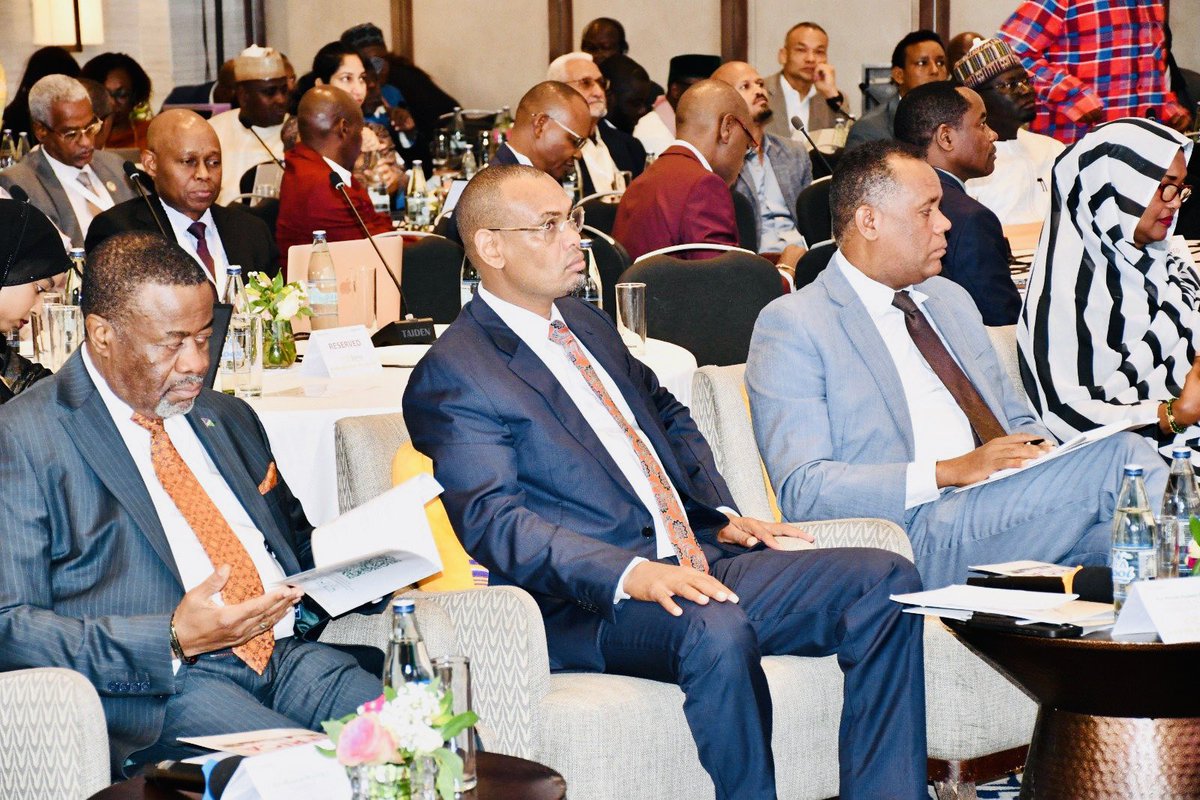
At the inaugural African Pastoral Markets Forum held in Addis Ababa, Ethiopia, African leaders, development partners and investors announced an ambitious initiative to mobilise up to $3 billion in investment over the next three to five years to transform pastoral livestock into a commercially competitive sector capable of driving trade, creating jobs and strengthening food security across the continent.
The initiative, led by the African Union Inter-African Bureau for Animal Resources (AU-IBAR) with support from the Gates Foundation, signals a shift from seeing pastoralism as a development challenge to recognising it as a strategic economic opportunity.
Africa’s Livestock Wealth Remains Underexploited
Africa possesses one of the world’s largest livestock populations.
According to figures presented at the forum, the continent is home to:
• 20% of the world’s cattle
• 27% of global sheep populations
• 32% of goats
• More than 15% of the world’s camels
Collectively, more than 268 million people across over 40 African countries depend directly on pastoral and agro-pastoral systems for their livelihoods. In many pastoral communities, livestock contributes between 30% and 80% of household income.
Despite these impressive numbers, Africa captures only a fraction of the economic value generated from these resources. Weak market systems, inadequate infrastructure, poor access to finance, fragmented value chains and insufficient veterinary services continue to limit productivity and profitability.
As AU-IBAR Director, Dr. Huyam Salih, aptly noted, Africa’s pastoral livestock systems should no longer be viewed as a safety net.
“They constitute continent-wide economic infrastructure.”
That statement reflects a growing consensus among policymakers that livestock deserves the same strategic attention historically given to crops, mining and energy.
Why This Investment Matters
The proposed investment is not simply about injecting more capital into livestock production.
Its broader objective is to connect pastoral communities with structured markets where livestock can generate greater economic returns.
The investment agenda focuses on strengthening:
• Livestock market infrastructure
• Animal health systems
• Veterinary services
• Livestock data and traceability
• Financial inclusion
• Regional trade
• Private sector participation
These are exactly the areas that determine whether livestock remains a subsistence activity or becomes a commercially viable enterprise.
The African Pastoral Markets Development (APMD) Platform has already demonstrated encouraging results through pilot programmes in countries including Nigeria and Kenya, where integrating pastoralists into formal markets has improved investment opportunities and strengthened livestock value chains.
AfCFTA Creates a New Opportunity
Perhaps the most significant driver behind this initiative is the African Continental Free Trade Area (AfCFTA).
By reducing trade barriers across African countries, AfCFTA has the potential to create one of the world’s largest integrated livestock markets.
However, market access alone is insufficient.
Animals moving across borders must meet sanitary and phytosanitary standards. Export markets increasingly demand disease surveillance, traceability systems, food safety compliance and quality assurance.
This places veterinary services at the centre of Africa’s livestock transformation agenda.
Without stronger veterinary infrastructure, many countries will struggle to fully benefit from regional livestock trade opportunities.
Nigeria’s Position
Nigeria stands to benefit significantly from this continental investment drive.
The country possesses one of Africa’s largest livestock populations and has recently introduced several reforms aimed at modernising the sector.
Over the past year, the Federal Ministry of Livestock Development has advanced initiatives including:
• The 10-Year National Roadmap for Veterinary Services (2026–2036)
• The Nationwide Livestock Baseline Study
• Expansion of digital livestock databases
• Cold chain investments for veterinary vaccines
• Public-private partnerships supporting livestock health services
Projects under the Livestock Productivity and Resilience Support (L-PRES) programme have also expanded vaccine distribution systems, strengthened veterinary infrastructure and supported improvements in disease surveillance.
These reforms position Nigeria favourably to attract future continental investments if implementation continues to improve.
Veterinary Services Will Determine Success
One notable aspect of the forum was the strong recognition that veterinary systems are not peripheral to livestock development but fundamental to it.
Weak animal health services continue to constrain productivity across many pastoral communities.
Disease outbreaks reduce market access, lower animal productivity and discourage private investment.
Strengthening veterinary infrastructure, expanding access to animal health professionals, improving vaccination coverage and building effective surveillance systems will therefore be essential if Africa hopes to unlock the economic value of its livestock resources.
This aligns with recommendations consistently made by organisations such as the World Organisation for Animal Health (WOAH) and the Food and Agriculture Organization (FAO), both of which identify veterinary capacity as a prerequisite for sustainable livestock trade.
Looking Ahead
The announcement of a potential $3 billion investment reflects growing confidence that Africa’s livestock sector can become a major contributor to economic growth rather than remaining primarily a source of subsistence livelihoods.
Achieving that ambition will require coordinated action across governments, financial institutions, development partners and the private sector.
For veterinary professionals, agribusinesses and livestock entrepreneurs, the message is equally clear.
The future of African livestock will not be determined solely by herd size, but by how effectively producers are connected to markets, supported by strong veterinary systems and integrated into competitive regional value chains.
If successfully implemented, this initiative could redefine pastoral livestock as one of Africa’s most valuable economic assets, creating opportunities that extend well beyond pastoral communities and into the broader continental economy.
























Leave a Reply