
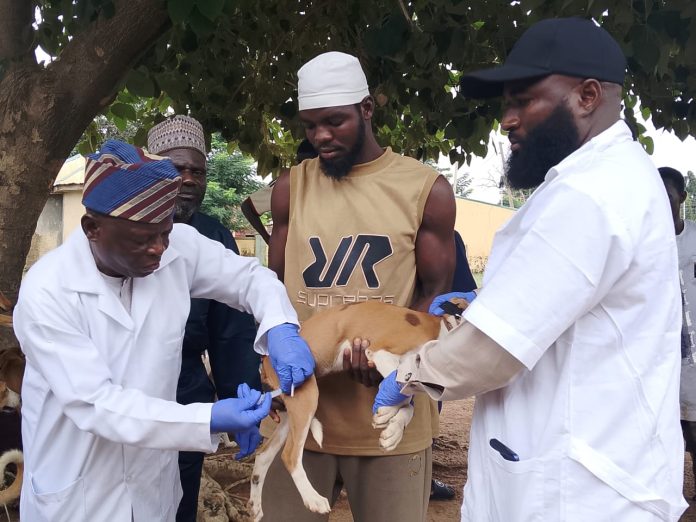
Rabies is one of the world’s deadliest infectious diseases, yet it is also one of the most preventable. Once clinical signs of rabies appear, the disease is almost invariably fatal. However, timely vaccination of dogs and other susceptible animals, combined with appropriate post-exposure care for people who have been bitten or scratched, can prevent deaths.
This makes the Federal Capital Territory Administration’s ongoing two-week free rabies vaccination campaign more than just a veterinary exercise. It is an important public health intervention designed to interrupt transmission at its primary source.
Following reported rabies cases in Gwagwalada and Kwali Area Councils, the FCTA has commenced a territory-wide vaccination campaign targeting between 15,000 and 20,000 dogs and cats. More than 100 veterinary officers have been deployed across the FCT, with the exercise expected to cover all 62 wards across the six Area Councils.
𝗪𝗵𝘆 𝗥𝗮𝗯𝗶𝗲𝘀 𝗥𝗲𝗾𝘂𝗶𝗿𝗲𝘀 𝗨𝗿𝗴𝗲𝗻𝘁 𝗔𝗰𝘁𝗶𝗼𝗻
Rabies is caused by the rabies virus and affects the nervous system of mammals, including humans, dogs, cats and wildlife. The virus is primarily transmitted through the saliva of an infected animal, most commonly through bites.
Dogs remain particularly important in human rabies transmission because of their close interaction with people and the frequency of dog-human encounters in many communities.
The danger of rabies lies in what happens after infection. A person may initially experience symptoms that appear relatively mild, but as the virus reaches the central nervous system, severe neurological signs can develop. Once clinical symptoms become established, survival is exceptionally rare.
This is why rabies prevention cannot depend only on treating people after exposure. Preventing infection in animals is one of the most effective ways to protect entire communities.

𝗪𝗵𝘆 𝗧𝗵𝗲 𝗙𝗖𝗧 𝗩𝗮𝗰𝗰𝗶𝗻𝗮𝘁𝗶𝗼𝗻 𝗖𝗮𝗺𝗽𝗮𝗶𝗴𝗻 𝗠𝗮𝘁𝘁𝗲𝗿𝘀
The FCTA’s intervention demonstrates a critical principle of disease control: vaccinating animals protects people.
By increasing vaccination coverage among dogs and cats, the campaign can reduce the number of susceptible animals capable of sustaining and transmitting the virus. This is particularly important in densely populated communities where people and animals live in close proximity.
The campaign also provides an opportunity to reach animals that may otherwise not receive routine veterinary care. With vaccination teams moving across the FCT, the intervention can extend protection beyond individual households and contribute to broader community-level immunity.
The availability of more than 12,000 doses for the exercise, alongside the mobilisation of veterinary teams to reach owned and stray dogs, further highlights the importance of coordinated action during a suspected outbreak.
But vaccination coverage is only one part of the response.
𝗪𝗵𝗮𝘁 𝗥𝗲𝘀𝗶𝗱𝗲𝗻𝘁𝘀 𝗡𝗲𝗲𝗱 𝗧𝗼 𝗞𝗻𝗼𝘄
Dog and cat owners should take advantage of the free vaccination campaign and ensure that their animals are vaccinated according to veterinary recommendations.
Residents should also avoid approaching animals that appear unusually aggressive, disoriented, excessively fearful, paralysed or otherwise abnormal.
Importantly, not every dog that bites is rabid, but every potentially rabies-exposing bite or scratch should be taken seriously.
Anyone bitten or scratched by a dog, cat or other potentially infected mammal should:
1. Wash the wound immediately and thoroughly with soap and running water.
2. Avoid applying harmful substances or attempting to close the wound without medical advice.
3. Report the incident and seek medical attention immediately for a proper rabies risk assessment.
4. Follow medical advice regarding post-exposure prophylaxis where indicated.
A delay in seeking appropriate care can have serious consequences.
𝗥𝗮𝗯𝗶𝗲𝘀 𝗜𝘀 𝗔 𝗢𝗻𝗲 𝗛𝗲𝗮𝗹𝘁𝗵 𝗣𝗿𝗶𝗼𝗿𝗶𝘁𝘆
The FCT response also illustrates why rabies cannot be addressed by the veterinary sector alone.
Rabies sits at the intersection of animal health, human health and community behaviour. Veterinary officers are essential for animal vaccination, surveillance and outbreak control, while healthcare workers play a critical role in managing people exposed to potentially infected animals. Communities, animal owners and local authorities are equally important in reporting suspected cases and ensuring animals are vaccinated.
This is the essence of the One Health approach: protecting human health requires attention to the health of animals and the environments in which both populations interact.
The response in the FCT therefore goes beyond controlling an outbreak. It is an opportunity to strengthen routine rabies surveillance, improve vaccination coverage, encourage responsible animal ownership and build greater public awareness about what to do after an animal bite.
𝗔𝗵𝗲𝗮𝗱 𝗼𝗳 𝗪𝗼𝗿𝗹𝗱 𝗥𝗮𝗯𝗶𝗲𝘀 𝗗𝗮𝘆
The timing of this intervention is particularly significant as the global community prepares to mark World Rabies Day on September 28.
World Rabies Day serves as an annual reminder that rabies deaths are preventable and that eliminating dog-mediated human rabies requires sustained vaccination, surveillance, public education and access to appropriate post-exposure care.
For the FCT, the current vaccination campaign presents an important opportunity to turn this message into action.
Every vaccinated dog represents a reduced risk. Every informed animal owner becomes another layer of protection. Every suspected exposure reported promptly creates an opportunity to prevent a human death.
As the FCTA continues its campaign across the territory, residents have an important role to play: vaccinate their animals, cooperate with veterinary teams, avoid contact with suspicious animals and seek immediate medical attention after any potential exposure.
Rabies may be deadly, but it does not have to be inevitable.
Prevention begins with vaccination. Protection begins with awareness. And ending rabies requires all of us.


























Leave a Reply