-
 Continue reading →: When the Sea Becomes a Rabies Reservoir: How Cape Fur Seals Are Rewriting the Rules of a Deadly Disease
For more than a century, rabies has been understood as a disease of the land. Dogs, foxes, bats, raccoons, jackals, and other terrestrial mammals have long occupied the centre of rabies surveillance and control efforts, while the oceans remained largely outside the conversation. That assumption is now being challenged. In…
-
 Continue reading →: Australia Eyes AU$70 Million Livestock Investment as Nigeria Pushes for Research Aligned with National Priorities
Nigeria’s livestock sector is standing at a defining moment. For decades, conversations around the sector have revolved around familiar challenges: recurring disease outbreaks, low productivity, inadequate veterinary infrastructure, poor genetics, seasonal feed shortages, weak market systems, limited research adoption, and underinvestment. Despite possessing one of Africa’s largest livestock populations and…
-
 Continue reading →: FCT Rabies Outbreak Prompts Mass Vaccination Drive After Two Human Deaths
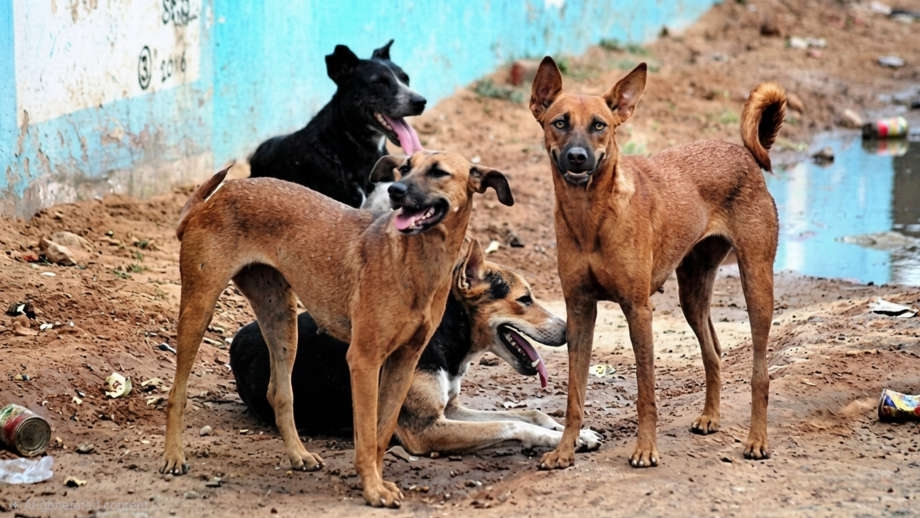
Abuja, Nigeria The Federal Capital Territory Administration (FCTA) has commenced a mass anti-rabies vaccination campaign following the confirmation of eight rabies cases in dogs and the deaths of two residents linked to infected dog bites. The outbreak, confirmed through laboratory testing by the National Veterinary Research Institute (NVRI), has heightened…
-
 Continue reading →: The Hidden Cost of Animal Disease Isn’t Dead Animals: Lessons from Rwanda’s Rift Valley Fever Outbreak
When news broke that Rwanda had confirmed new cases of Rift Valley Fever (RVF) in mid-July 2026, the immediate concern was understandable: protecting livestock and preventing further infections. Veterinary authorities responded with movement restrictions, enhanced surveillance and public health advisories as efforts intensified to contain the outbreak. But beyond the…
-
 Continue reading →: The Road to a PPR-Free Nigeria Has Begun. But Is the Country Ready?
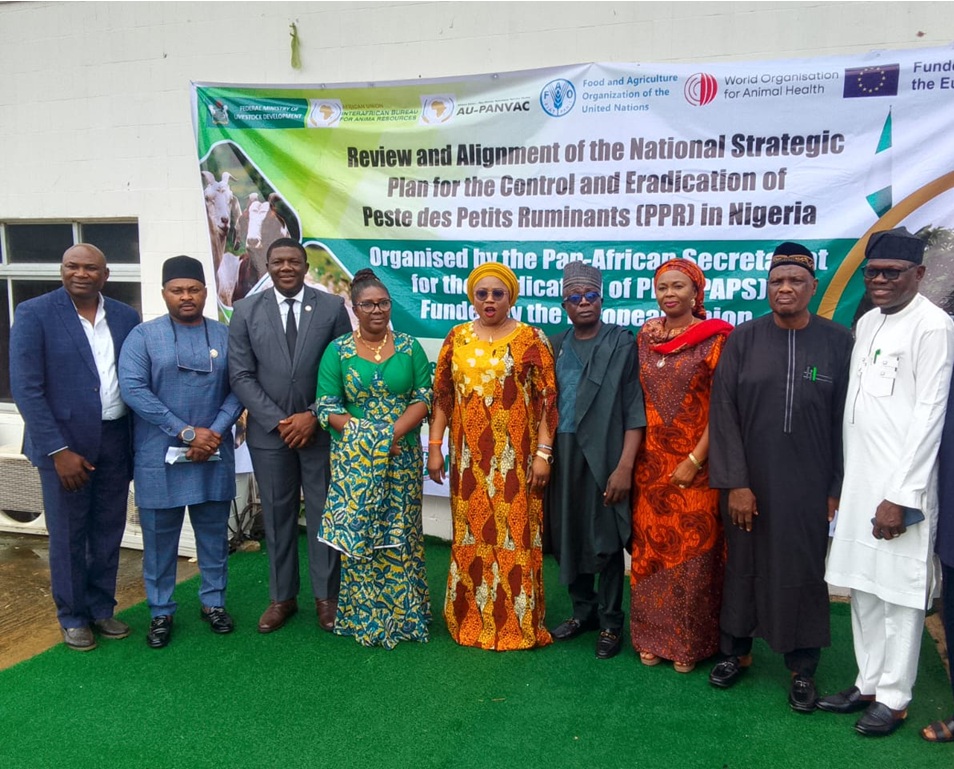
When news broke that a delegation from the African Union Inter-African Bureau for Animal Resources (AU-IBAR) had arrived in Abuja on 20 July 2026 for a Peste des Petits Ruminants (PPR) eradication readiness mission, it would have been easy to dismiss it as another routine diplomatic visit. It was anything…
-
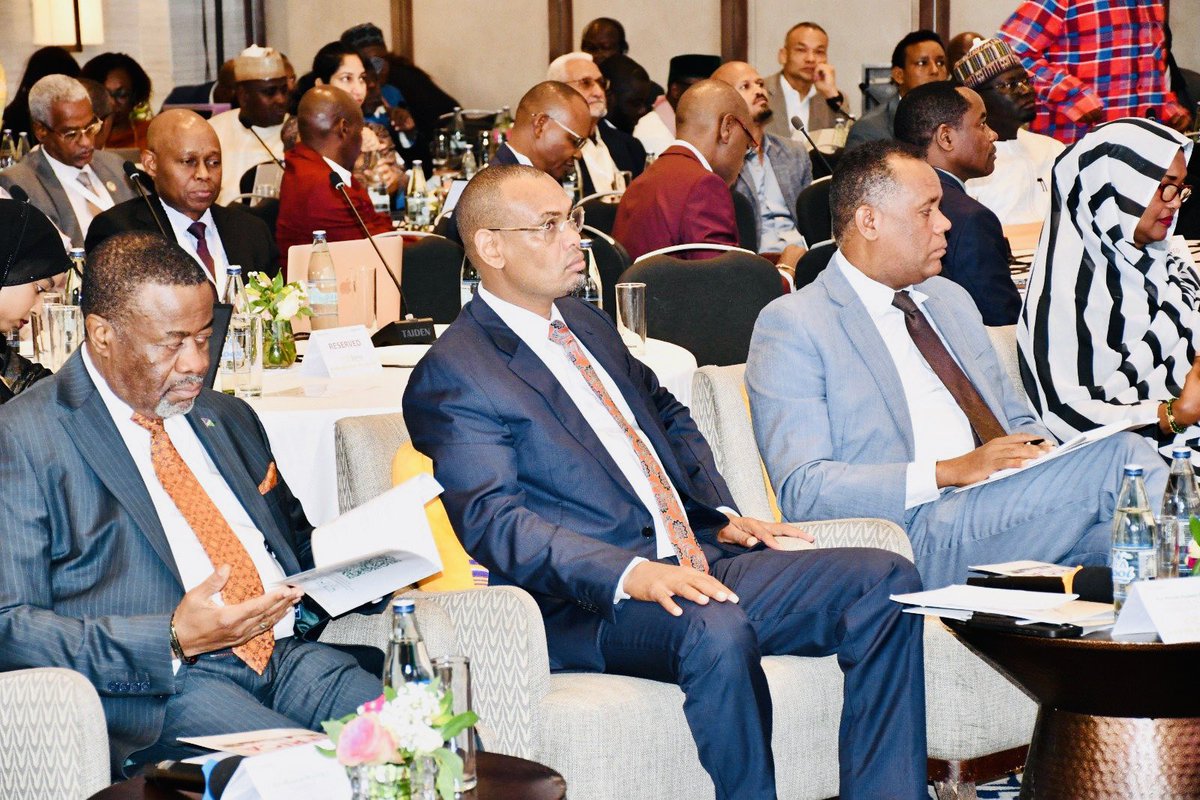 Continue reading →: Africa Bets $3 Billion on Pastoral Livestock. Can Investment Finally Unlock the Sector’s Potential?
For decades, Africa’s pastoral livestock sector has largely been viewed through the lens of humanitarian intervention, conflict management and climate vulnerability. Yet, beneath these longstanding narratives lies one of the continent’s most valuable but underutilised economic assets. At the inaugural African Pastoral Markets Forum held in Addis Ababa, Ethiopia, African…
-
 Continue reading →: Global Coalition Funds Nigeria’s 2030 PPR Eradication Goal
Every livestock disease has a cost. Some are measured in mortality rates. Others are measured in the number of outbreaks recorded each year. Peste des Petits Ruminants (PPR), however, is measured in something far more consequential: lost livelihoods. Across Africa and Asia, millions of sheep and goats have been lost…
-
 Continue reading →: Africa Wants to Turn Pastoral Livestock into a Trillion-Dollar Opportunity. The Journey Begins in Addis Ababa
For decades, conversations around pastoralism in Africa have followed a familiar script. Drought. Conflict. Displacement. Food insecurity. While these challenges remain real, they tell only part of the story. This week in Addis Ababa, Ethiopia, African leaders, investors, policymakers and livestock experts gathered to rewrite that narrative. The Inaugural African…
-
 Continue reading →: Nigeria’s Poultry Farmers Travel Up to 10 Hours for Chicks. A New ILRI Model Wants to End That
Every poultry enterprise begins with one critical input: healthy day-old chicks. Yet for thousands of poultry farmers across northern and eastern Nigeria, getting those chicks is one of the most difficult parts of the business. With most commercial hatcheries concentrated in the Southwest, many farmers travel for hours to purchase…
-
 Continue reading →: Another Global Partner Backs Nigeria’s Livestock Ambitions. Here’s What the France-Nigeria Partnership Could Mean
Nigeria’s livestock transformation agenda continues to attract international attention. On July 10, 2026, the Federal Ministry of Livestock Development reaffirmed its commitment to deepening collaboration with the French Development Agency (AFD), signalling another important step in Nigeria’s efforts to modernise one of its most underdeveloped economic sectors. While the announcement…


Hello,
I’m Dr. Adegoke Rodiyah Oyeronke
Welcome to Farm Alert News! 🐾
Your go-to spot for the freshest insights, trends, and breakthroughs in African animal health.
We’re big believers that great data drives great change-but we don’t do boring spreadsheets here. Instead, we bring you real, evidence-based solutions straight from the top animal health pros across the continent.
Think of us as your digital staff room, lab, and community hub all rolled into one.
Grab a coffee, dive into our latest articles, and let’s shape the future of animal health together!
What’s on your radar today?
Drop a comment on our latest post and let’s chat!
Let’s connect

Subscribe to our newsletter
Stay updated with our latest tutorials and ideas by joining our newsletter.