
The Government of Botswana is moving to urgently reassess and re-demarcate its veterinary disease control zones, in a bid to strengthen national biosecurity systems, improve livestock productivity, and restore long-term market access for farmers.
The proposal, currently under consideration following parliamentary debate, focuses on key zones including Zone 11, Zone 3B, and other existing disease control areas across the country.
This policy direction follows a motion introduced by Sam Digwa, Member of Parliament for Boteti West, who argued that Botswana’s current veterinary zoning framework is no longer fully aligned with present-day livestock and environmental realities.
A system built for another era
Veterinary disease control zones have historically served as Botswana’s first line of defence against major livestock diseases such as Foot-and-Mouth Disease (FMD) and Contagious Bovine Pleuropneumonia (CBPP).
These zones were originally designed to:
- Separate livestock populations from wildlife reservoirs
- Enable controlled livestock movement
- Support disease containment through physical and administrative boundaries
However, according to parliamentary discussions, many of these boundaries were established decades ago and have not been significantly updated to reflect current realities.
Why the system is now under pressure
Several structural changes are placing strain on the existing zoning framework:
1. Changing livestock movement patterns
Population growth and expansion of communal farming areas have altered traditional grazing routes, reducing the effectiveness of static boundaries.
2. Wildlife-livestock interaction
As wildlife habitats contract, particularly in northern regions, interactions between buffalo populations and cattle herds have increased. This is significant because buffalo are known reservoirs for FMD transmission, increasing outbreak risk.
3. Climate and environmental shifts
Changing rainfall patterns and prolonged drought cycles have influenced livestock mobility, leading to more unpredictable movement across zones.
4. Infrastructure deterioration
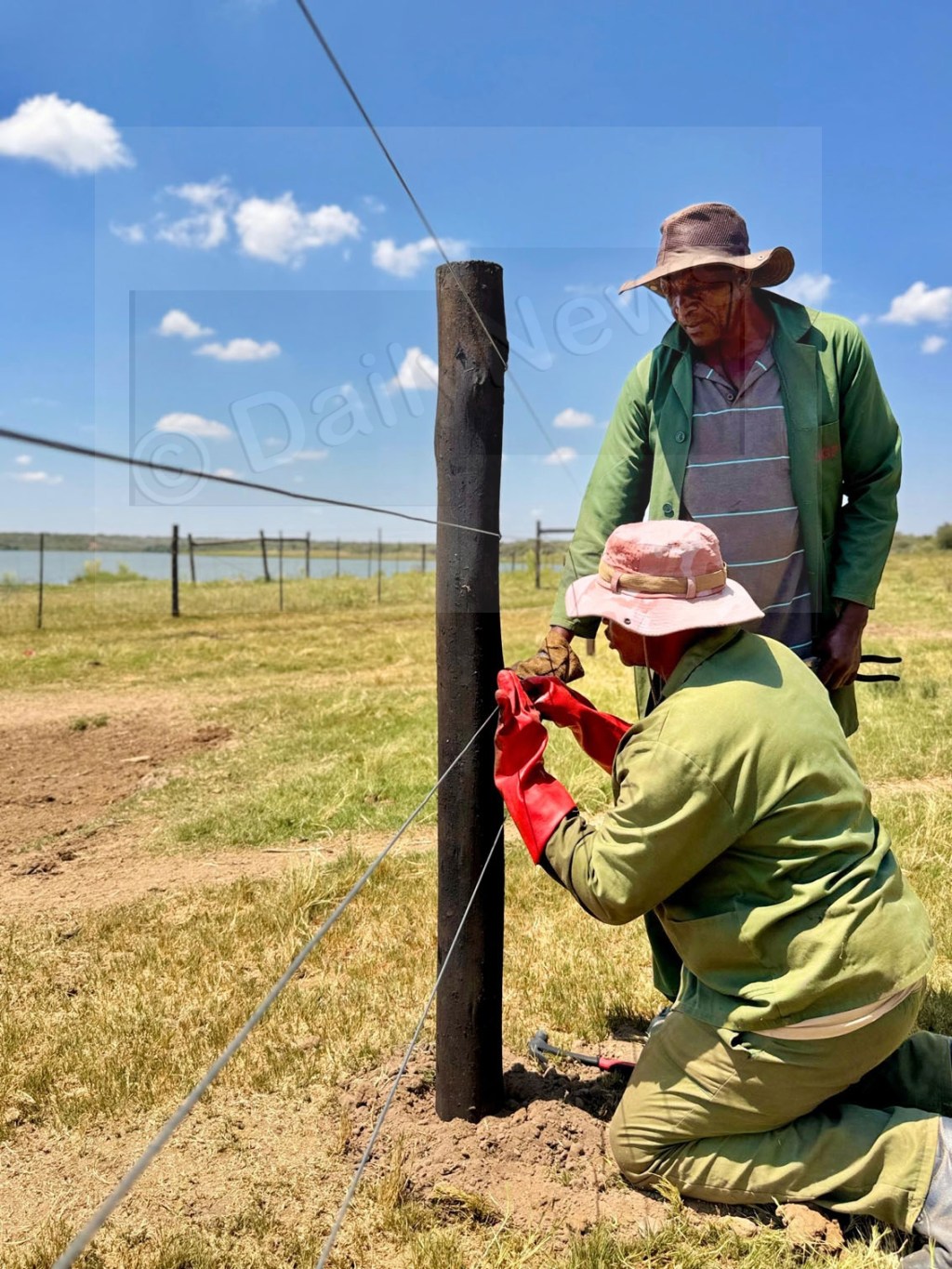
Fencing infrastructure in some areas has deteriorated, weakening the physical barriers that support disease separation.
Economic consequences of outdated zoning
Beyond animal health, the current system has significant economic implications.
Farmers located in restricted or poorly managed zones often face:
- Long-term livestock movement bans
- Reduced access to high-value domestic and export markets
- Lower income stability and increased production risk
These restrictions can create what stakeholders describe as a “market isolation effect,” where farmers are effectively cut off from profitable value chains due to disease classification of their zone rather than individual herd status.
Link to trade and export competitiveness
Effective veterinary zoning is not only a biosecurity tool but also a trade requirement.
Countries seeking access to premium beef markets, including regional trade blocs and international buyers, must demonstrate:
- Clearly defined disease control zones
- Effective monitoring systems
- Functional biosecurity infrastructure
In this context, Botswana’s livestock sector is closely tied to export readiness, particularly for beef markets that rely on strict sanitary standards aligned with frameworks from the World Organisation for Animal Health (WOAH).
The proposed reform direction
The motion before Parliament recommends a structured reform approach that includes:
1. Re-demarcation of veterinary zones
Updating boundaries to reflect:
- Current grazing patterns
- Human settlement expansion
- Wildlife movement corridors
2. Rehabilitation of fencing infrastructure
A national programme to repair and strengthen veterinary fences to reduce cross-border livestock and wildlife contact.
3. Community-led maintenance systems
Establishment of local fencing committees to:
- Maintain infrastructure
- Create rural employment opportunities
- Improve accountability at community level
4. Public-private financing models
Exploration of:
- Public-Private Partnerships (PPPs)
- International agricultural development grants
- Shared-cost infrastructure models
Expected impact on livestock health systems
If implemented effectively, the proposed reforms are expected to:
- Improve early containment of livestock diseases
- Enable more targeted vaccination campaigns
- Reduce frequency and scale of outbreaks
- Strengthen surveillance and monitoring capacity
More importantly, improved zoning is expected to reduce systemic exposure to diseases such as FMD and CBPP, which continue to pose recurring challenges across Southern Africa.
Balancing cost, land use, and implementation
Stakeholders acknowledge that the reform process will require significant investment and careful management of land-use sensitivities.
However, the proposal emphasizes a phased and consultative implementation model, ensuring that:
- Communities are actively engaged
- Costs are distributed across stakeholders
- Implementation does not disrupt existing livelihoods
Conclusion
Botswana’s move to reassess its veterinary disease control zones reflects a broader shift in African livestock policy: from static, legacy systems to adaptive, risk-based biosecurity frameworks.
As livestock systems become more exposed to climate variability, wildlife interaction, and expanding trade pressures, zoning alone is no longer sufficient unless continuously updated and properly enforced.
By modernising its veterinary infrastructure, Botswana is not only addressing disease control challenges but also reinforcing the foundation for a more competitive and resilient livestock economy.
The success of this reform will depend on how effectively technical design, community participation, and financing mechanisms are integrated into a single coherent system


 farmalert.online
For questions Leave a Reply